From Sacred Music to Legal Records: Conserving the Many Lives of a Manuscript

From Sacred Music to Legal Records: Conserving the Many Lives of a Manuscript

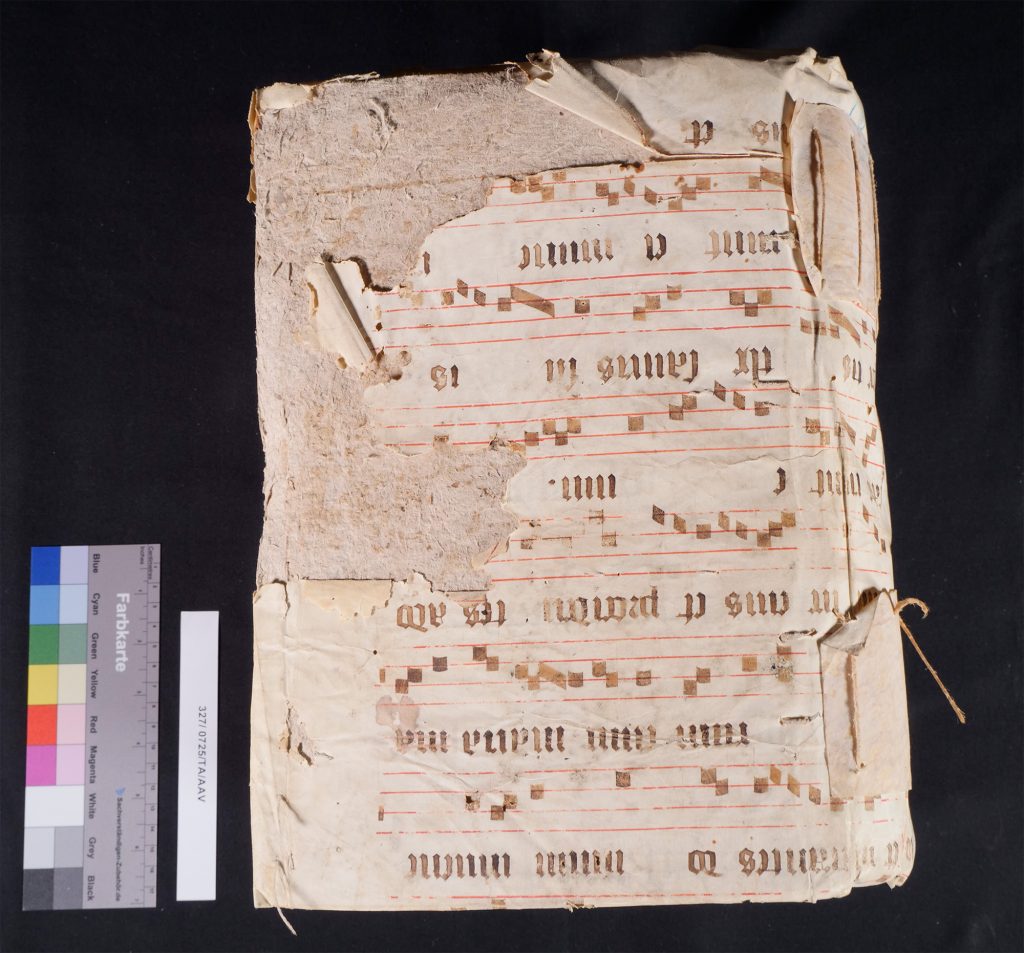
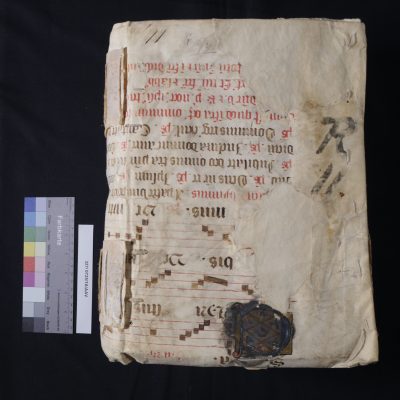
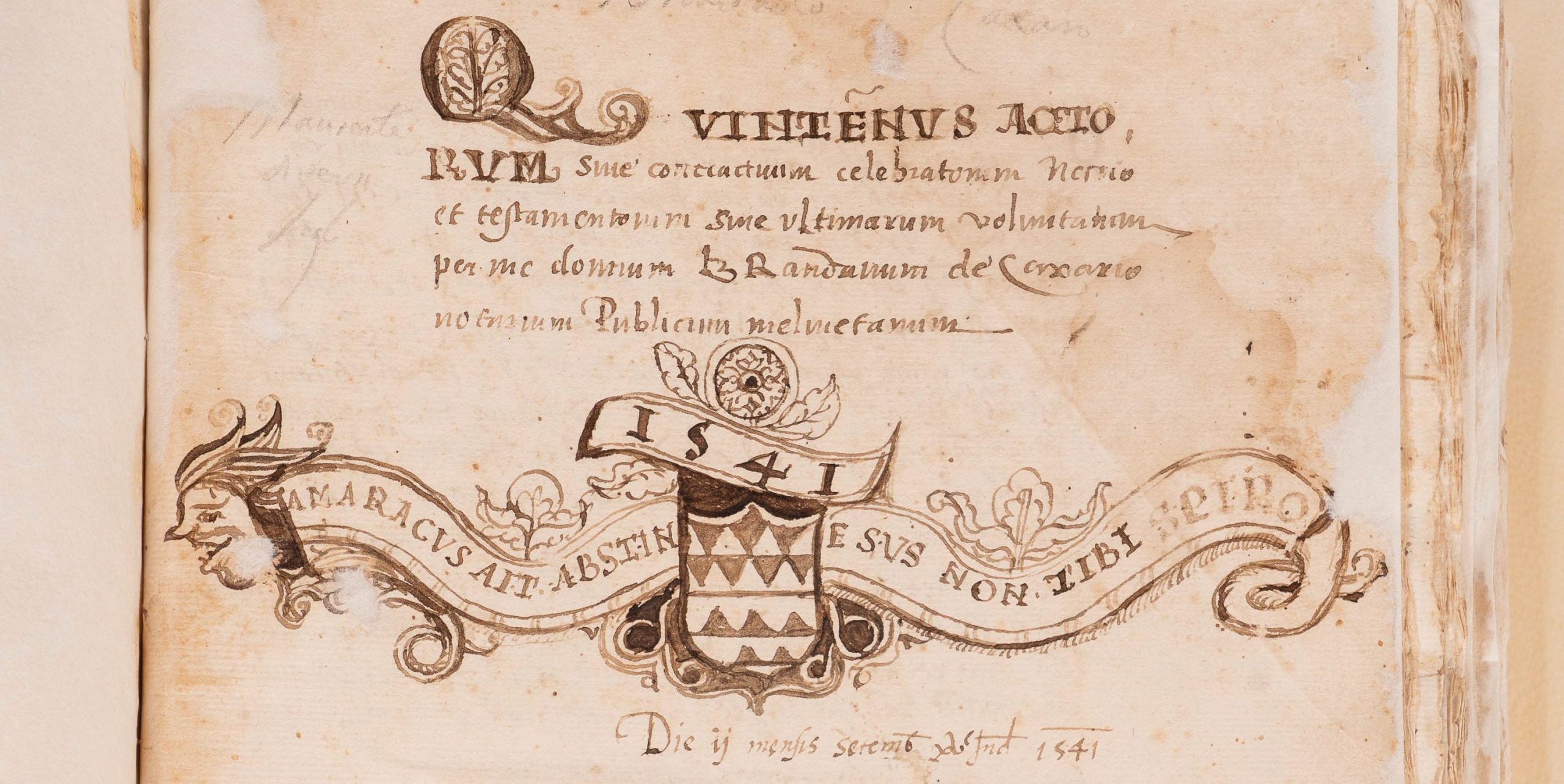
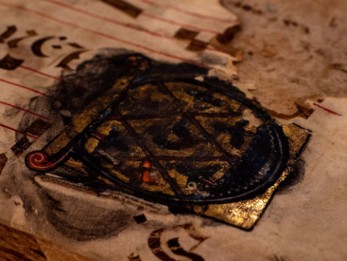
Fig. 1: Detail of the illuminated initial on the front cover before treatment

At first glance, a seventeenth-century notarial register might seem little more than a record of legal transactions. This 1647 register, drawn up by Notary Tommaso Agius, however, has a much richer story to tell. The parchment that now wraps this notarial register was not made specifically for it but was originally a leaf of an earlier choir book, where it had already lived a very different life.

This register is just one example of the many volumes preserved at the Notarial Registers Archive (NRA), each with the potential to reveal something that extends beyond the legal purpose for which it was produced.[1] Conserving such manuscripts always presents a challenge; every intervention must balance the need to stabilise the volume so that it can be handled safely and studied, while also preserving the material evidence that makes it historically significant.

The Fate of a Choir Book
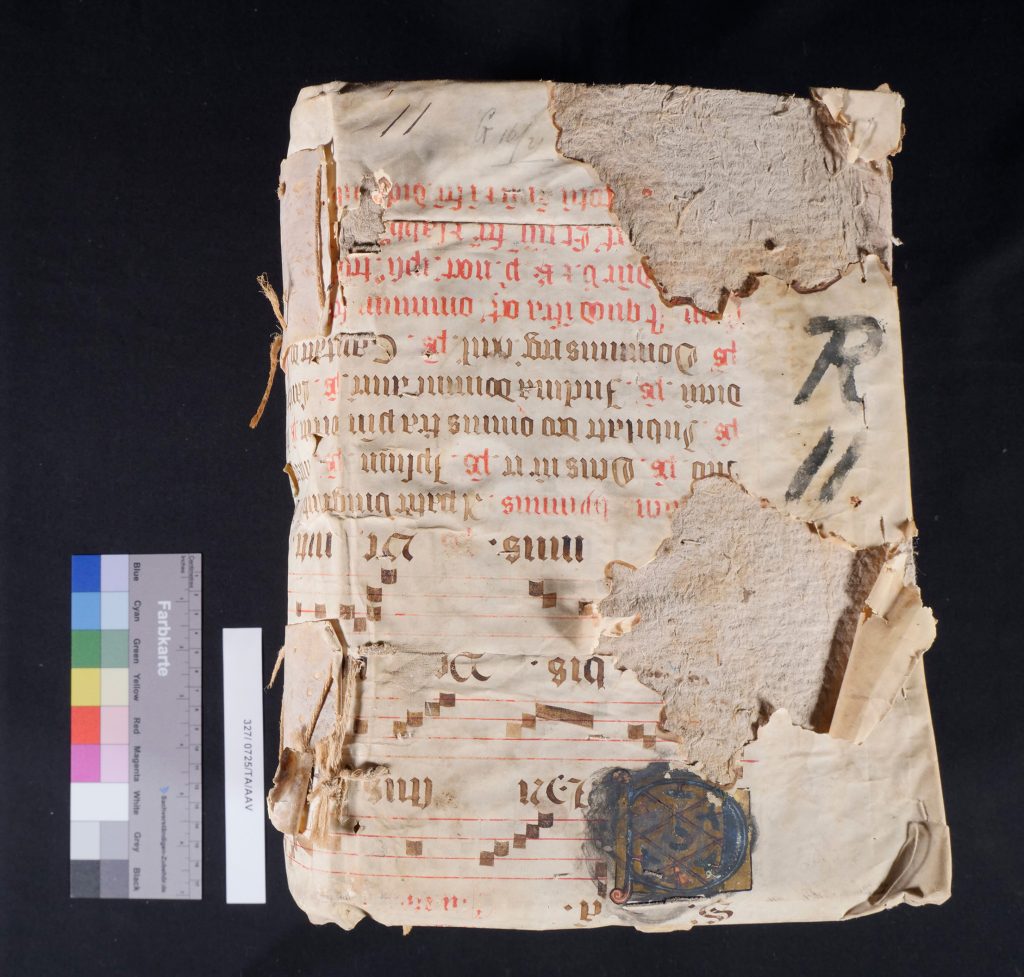
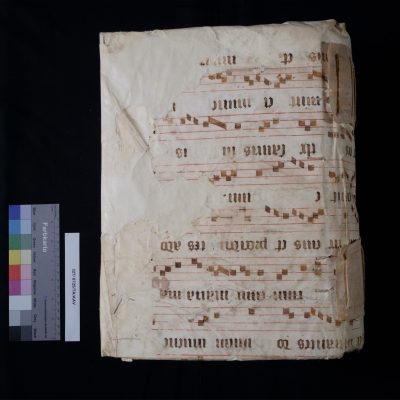
Fig. 2: front and back covers before treatment

This kind of reuse was not unusual. Parchment was a highly valuable material, as were the gold leaf and pigments used to decorate medieval and early modern manuscripts. When manuscripts were no longer needed, their materials were often repurposed rather than discarded, both to reduce costs and because materials were too valuable to waste. There is a certain irony in this: today recycling helps us manage the consequences of our excess, whereas in the past it was driven by scarcity.

What may have once been a purely practical decision is now a remarkable asset, precisely because it preserves traces of the original manuscript while providing valuable insights into the people, materials and circumstances that shaped both the original choir book and the register it eventually came to bind.

But what circumstances could lead to a choir book being dismantled and its leaves reused?

The reuse of leaves from antiphonaries is likely linked to liturgical reforms, which led to the removal of amended musical sections from manuscripts.[2] This kind of reuse is separate from the broader and well-documented recycling of medieval manuscripts, which followed the rise of Protestantism.[3]

One such example appears on the cover of Agius’ register, where a verse from Psalm 94, used in the Epiphany Matins, can still be identified (cf. fig. 2). Notably, the binding is made of a complete bifolio, whereas most reused material more commonly survives in fragmentary form.[4] Interestingly, the bifolio has been mounted upside down, likely to display a gold illuminated initial prominently on the front cover (cf. fig. 1, 2). Its central fold has been aligned with the spine, integrating the manuscript page neatly into the book’s structure.

Despite these insights, the object still holds many mysteries. Where was this choir book originally produced? How did it make its way to Malta? And who owned it before it was taken apart?

The Life of a Register
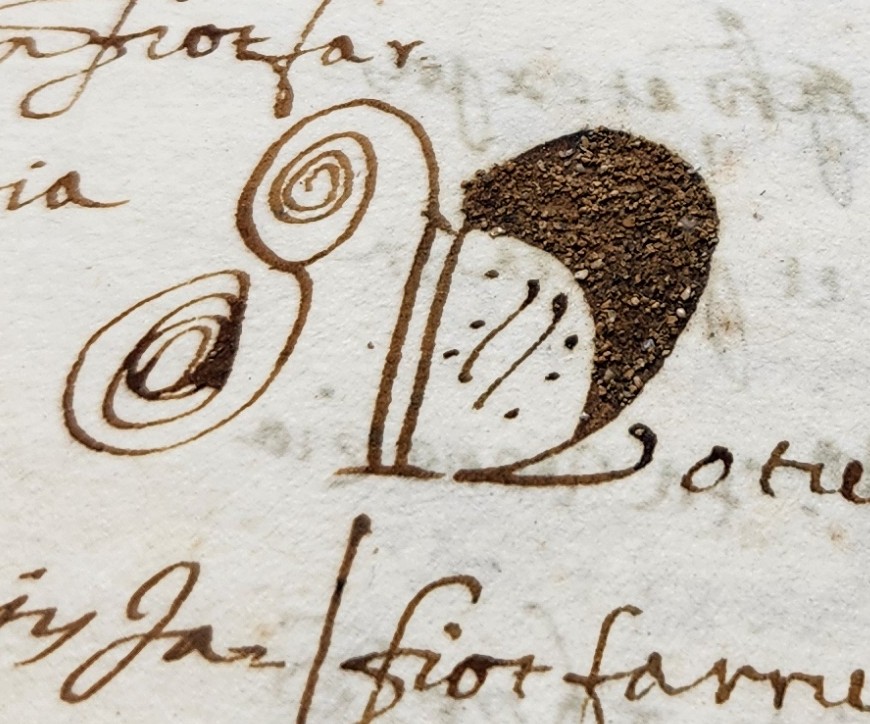
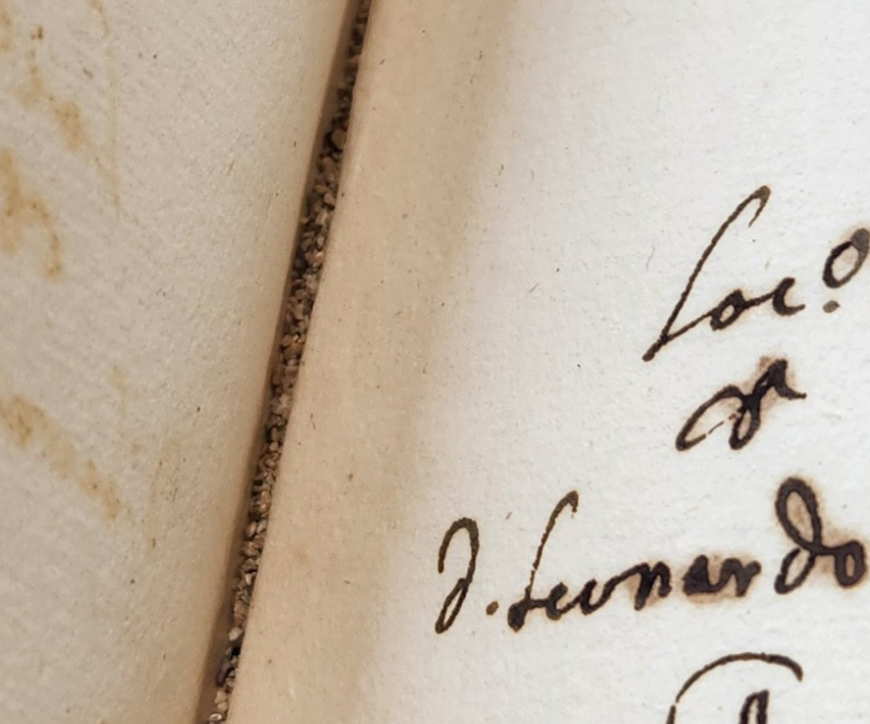
Fig. 3: Detail of blotting sand still present on the ink and  inside the gutter

Beyond the recycled parchment cover, the textblock has its own story to tell. Like many seventeenth-century documents, the register was written in iron gall ink. Although prized for its indelibility over carbon black ink, iron gall ink could become corrosive over time. In this manuscript, the first 370 pages had suffered severe damage, with the paper support gradually breaking down as the ink oxidised. The decorated initials were particularly affected, as the heavier application of ink further weakened the paper. To stabilise these fragile areas, a very thin Japanese tissue (3.6 g/m²) was applied to one or both sides of the affected pages using a 5% solution of Klucel G in ethanol.

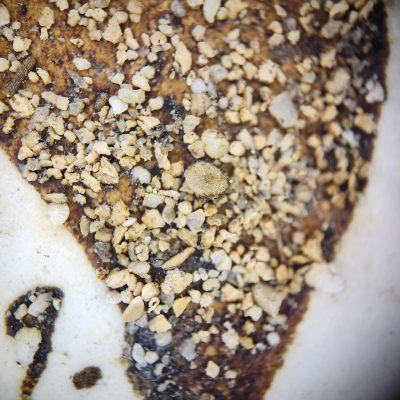
The examination of the textblock also revealed tiny grains of blotting sand still preserved in the gutters and, in some cases, adhered to the surface of the ink (cf. figs. 3 and 4). Sprinkled onto the freshly written text more than three centuries ago to accelerate drying, these grains have survived remarkably well.

Recent studies highlight the importance of preserving and analysing blotting sand, which was widely used in the Western world between the fifteenth and nineteenth centuries.[5] Although the term “sand” refers to grain size, its composition may be mineral, metallic, or organic (including gum, wood, or bone).[6] Such materials were carefully selected and purchased by users. Analysis of grain size and morphology, in collaboration with geologists, can help identify the geographical origin of mineral sands.

Some blotting sands at the NRA have already been analysed by Dr Joseph Buhagiar, Professor of Biology at the University of Malta; they were found to consist mainly of grains of marine origin or resin. In this manuscript, however, the composition and provenance of the grains still await further research and analysis.
20260514_105337(1)

Fig. 4: Blotting sands under microscopy

Holding Four Centuries Together
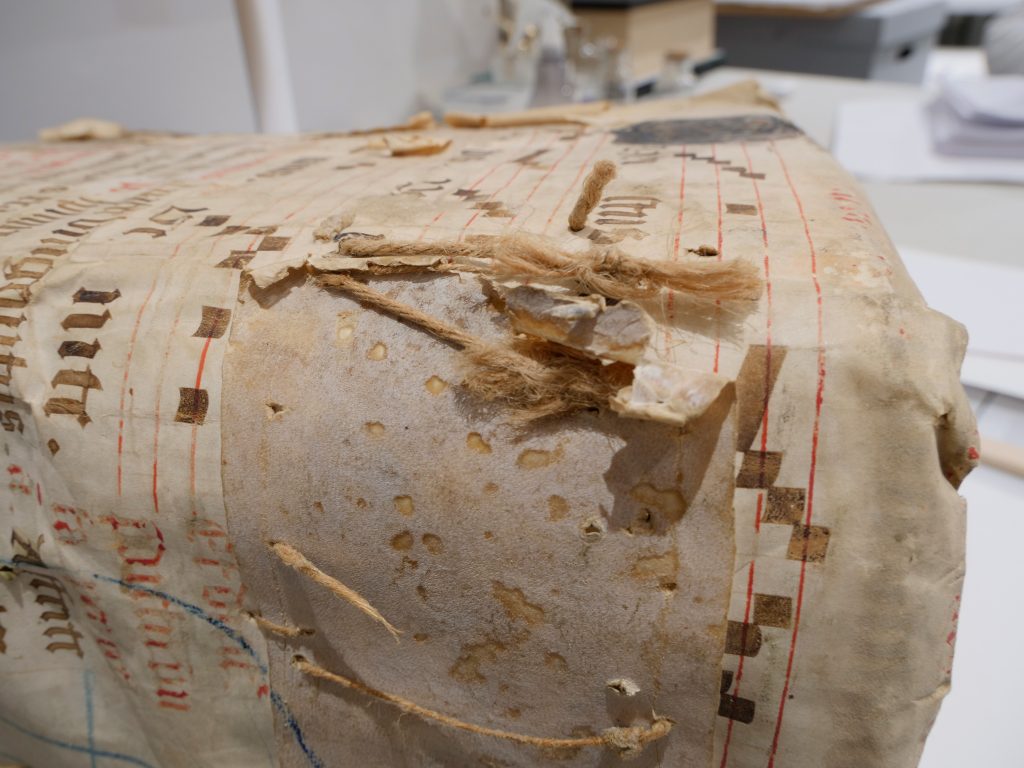
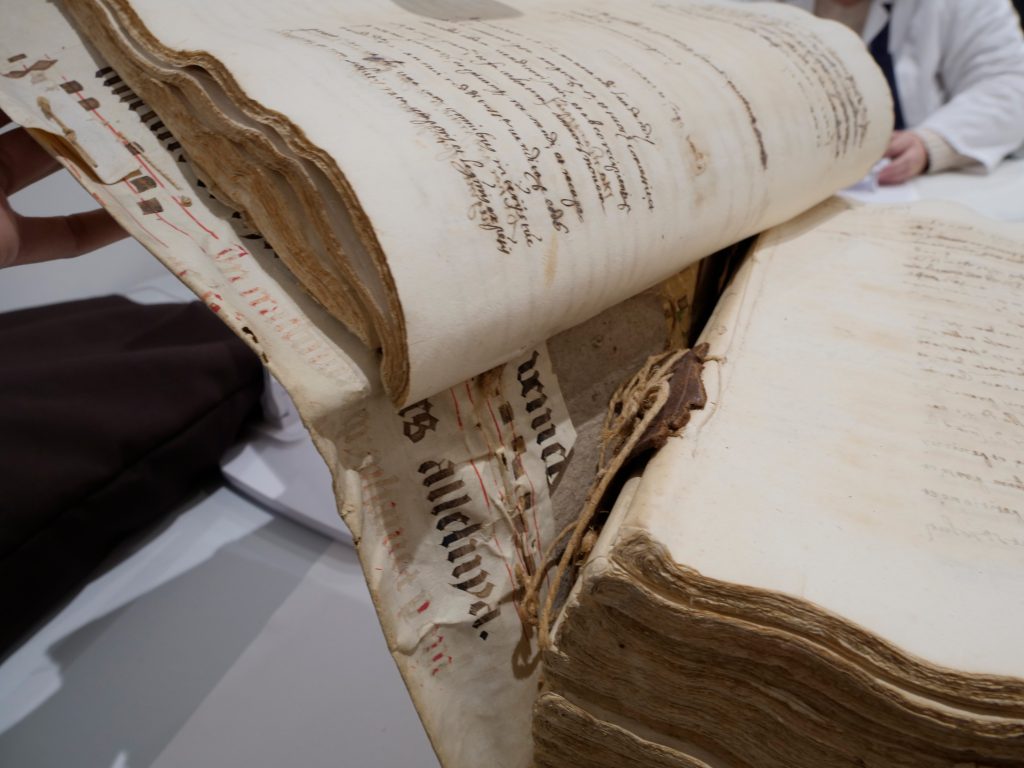
Fig. 5: Quires before treatment are attached directly to the cover, possibly because of the broken sewing support

Beneath the parchment cover lies a completely non-adhesive binding: the cover, boards and textblock are held together almost exclusively by sewing. After nearly four centuries of use, however, this structure had begun to fail.

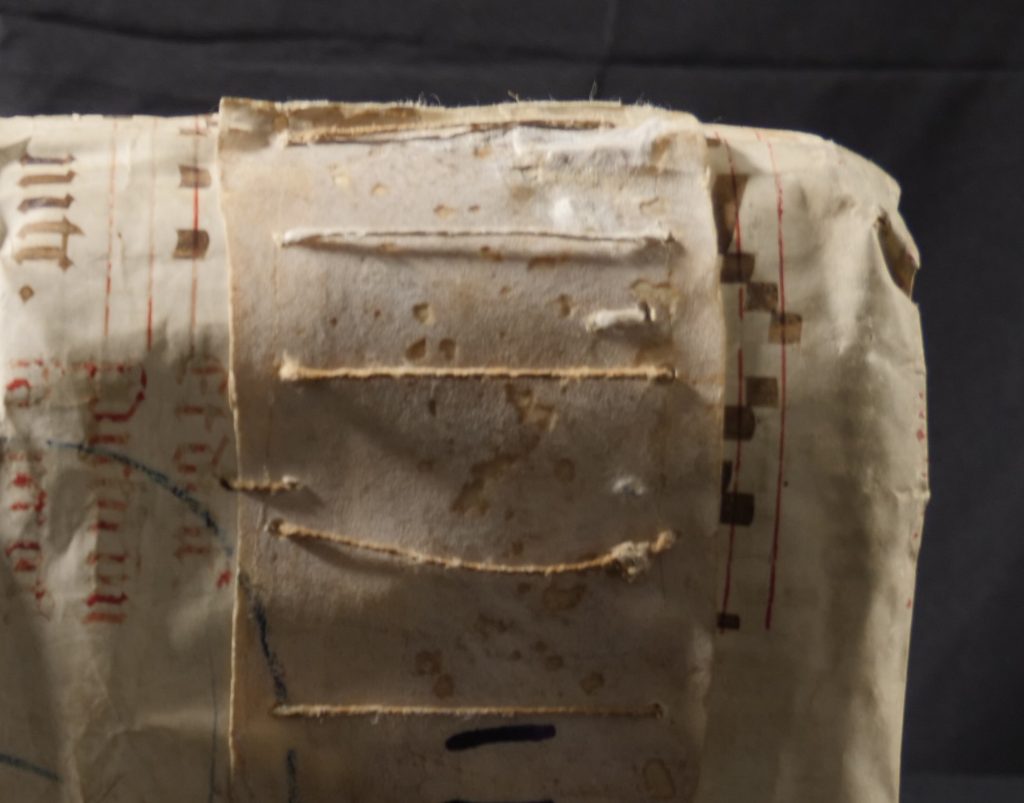
One of the leather sewing supports had broken near the upper joint. During a past repair, the first two quires were attached directly to the cover, unintentionally placing additional strain on the spine. The parchment overbands had also become deformed, while around half of the cord tackets that secured the textblock to the cover had broken.

Treating the sewing required particularly careful planning, as every intervention would influence the way the book opened and how the first folios moved. Because the previous repairs had introduced strain into both the sewing structure and the parchment spine, the first step was to reverse the earlier intervention, a process referred to as de-restoration.[7] The repairs were removed, the leather sewing support was reconstituted, and the quires were reattached to it. This relieved the strain on the parchment while preserving the original structure of the binding.
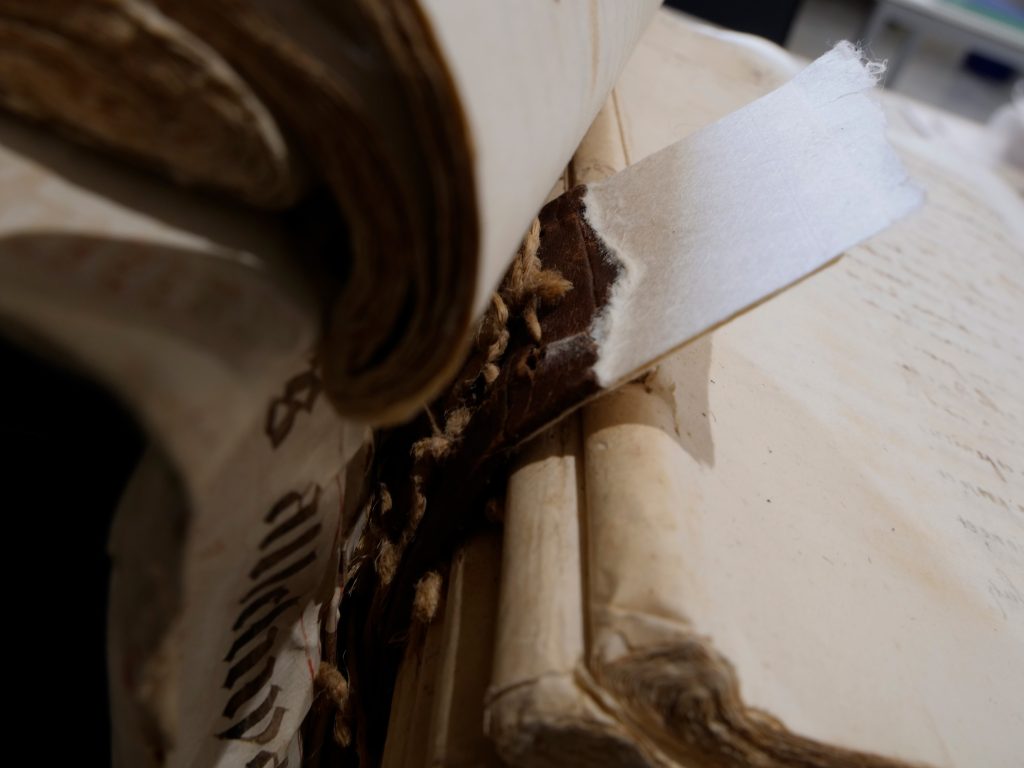
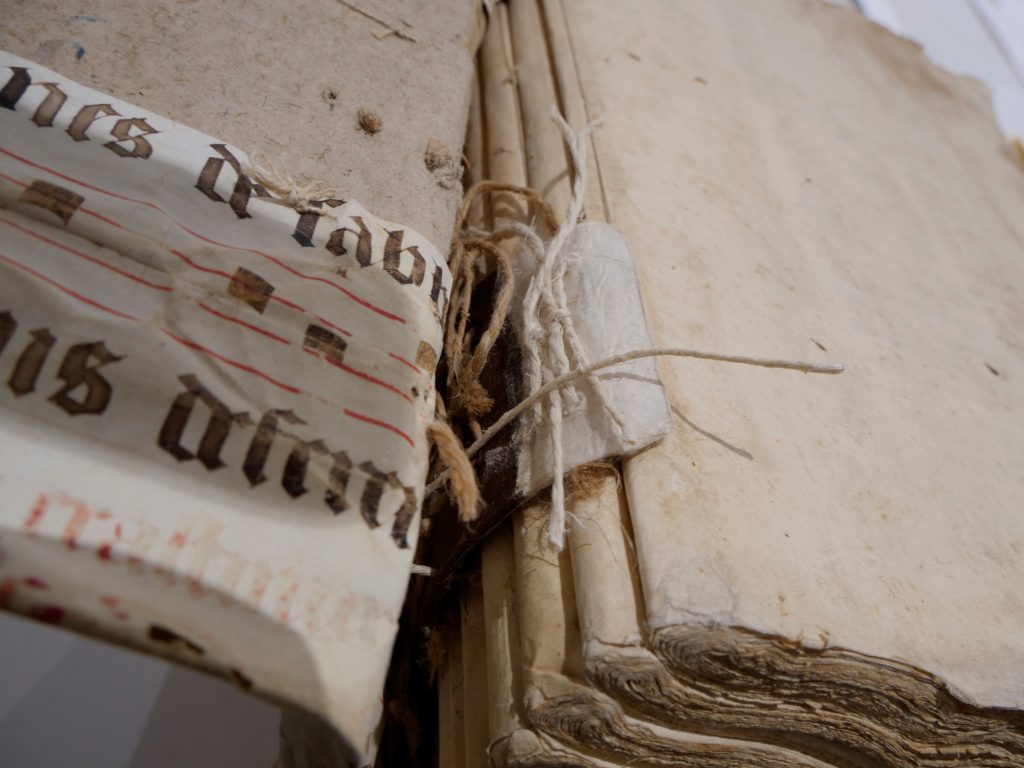
Fig. 6: The extension made of parchment and Japanese paper (left) and the quires reattached with linen thread (right)

Fig. 6: The extension made of parchment and Japanese paper (top) and the quires reattached with linen thread (bottom)

To reconnect the detached quires, an extension was created from thin parchment reinforced with layers of Japanese paper adhered with a mixture of wheat starch paste and EVA (cf. fig. 6).[8] The extension was carefully shaped to match the contour of the spine while remaining flexible enough to accommodate its natural movement.
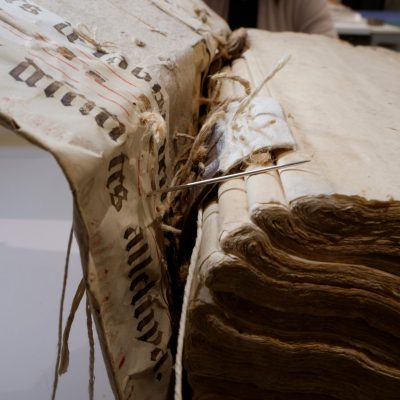
2026-02-26_R11-14_During (18)

Fig. 7: Reattachment of the cover to the textblock
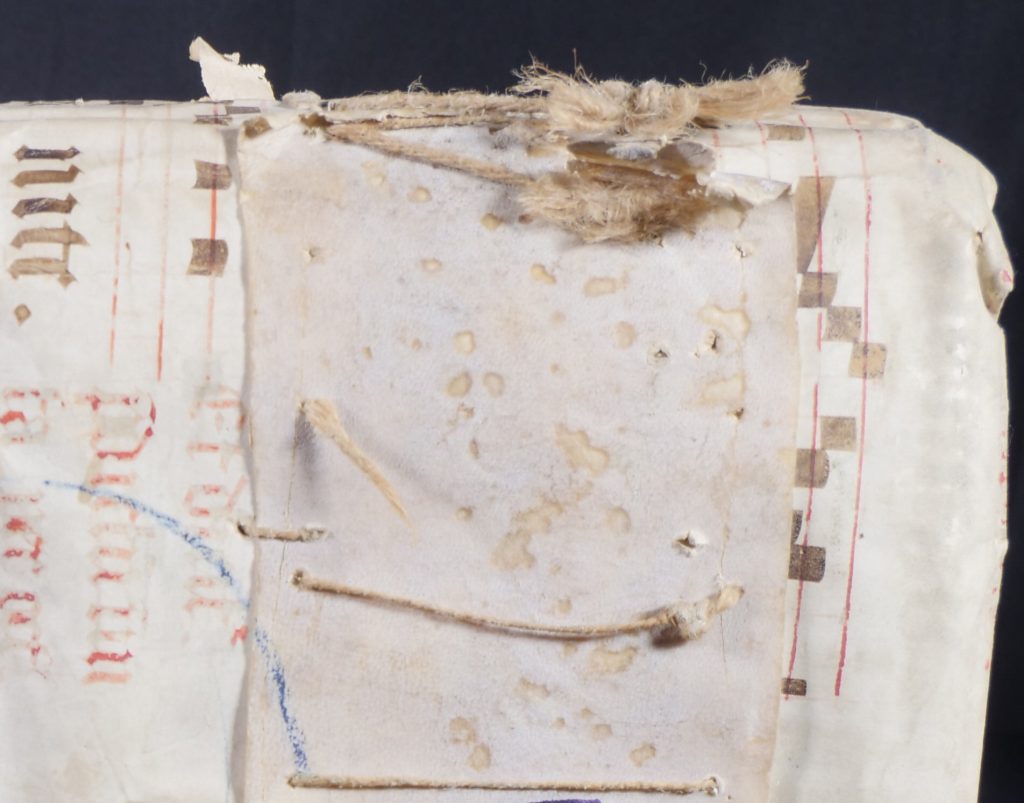
Fig. 8: Treatment of the overband and spine tackets

The fragile parchment overbands and broken spine tackets also required stabilisation (cf. fig. 8). Rather than replacing these elements, the aim was to preserve them while preventing further deterioration. The deformed overbands were gently humidified using a Sympatex semi-permeable membrane before being reinforced with Japanese paper. The broken tackets were then reattached by extending the surviving threads with twisted strips of pre-toned kozo paper adhered with wheat starch paste and reinserting them into their original holes. Inspired by Katherine Beaty’s treatment of similar bindings, this approach stabilised these fragile elements while avoiding further damage to the original material.[9]

Preserving the Cover

2026-03-05_R11-14_After (3)
2026-03-05_R11-14_After (4)

Fig. 9: Front cover (left) and back cover (right) after treatment

Fig. 9: Front cover (top) and back cover (bottom) after treatment

Large losses in the parchment cover (approximately 13 × 9 cm and 11 × 8 cm on the front cover, and 12 × 20 cm on the back cover) made the volume difficult to handle safely, particularly given its considerable size and weight. Some of this damage may have been caused by rodents.

The losses were infilled using 40 g/m² kozo paper, chosen because its thickness closely matched that of the original parchment. Before being applied, the paper was pre-toned with acrylics and burnished with a bone folder to recreate a surface texture that more closely resembled parchment (cf. fig. 9).

As an additional precaution, a custom Melinex wrapper was produced to protect the binding, particularly the fragile elements along the spine.

This conservation treatment offered a glimpse into parchment reuse in seventeenth-century Malta, particularly the practice of repurposing discarded musical folios into covers for notarial registers. In this case, the bifolio was even turned upside down so that the illuminated initial would appear prominently on the front cover, suggesting that aesthetic considerations were valued too.

Conservation as Discovery

Conserving a manuscript of this size and weight required balancing safe handling with the preservation of its historical evidence. Every intervention had to be carefully considered: enough to restore the binding’s function, yet restrained enough to preserve the original materials and construction techniques that make the volume historically significant. Perhaps one of the most remarkable aspects of this register is that its completely non-adhesive semi-limp binding has remained functional for almost four centuries without significant damage to its spine or joints. Its longevity demonstrates that historical binding structures were often remarkably effective and suggests that they still offer valuable lessons for modern conservation practice.
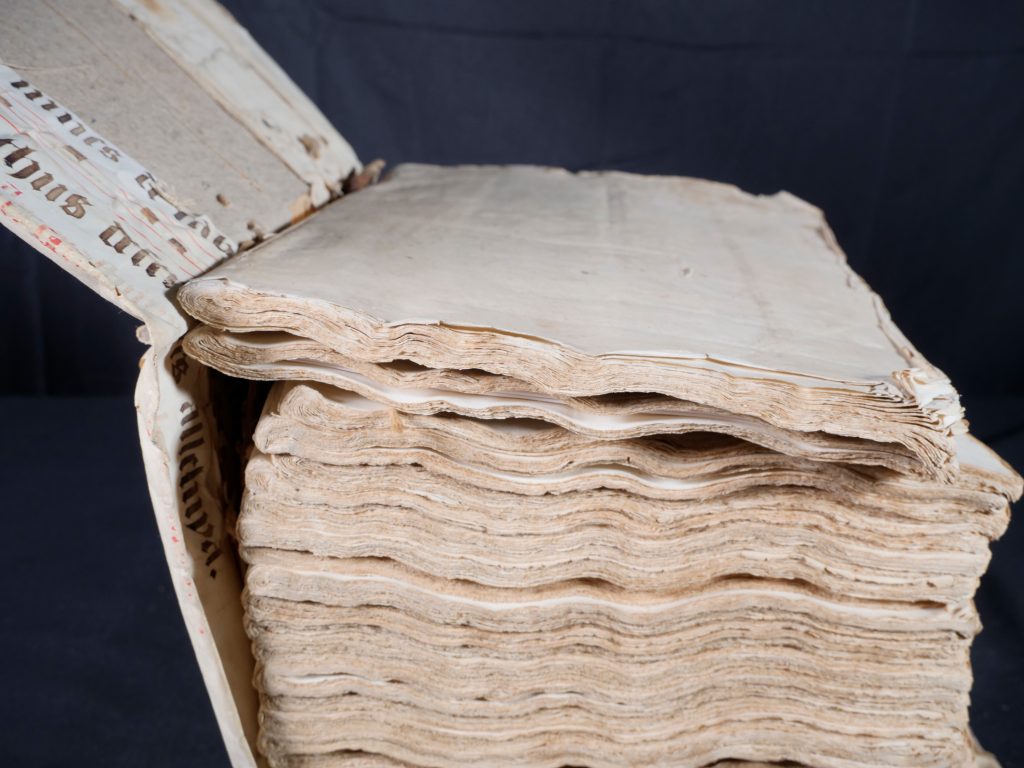
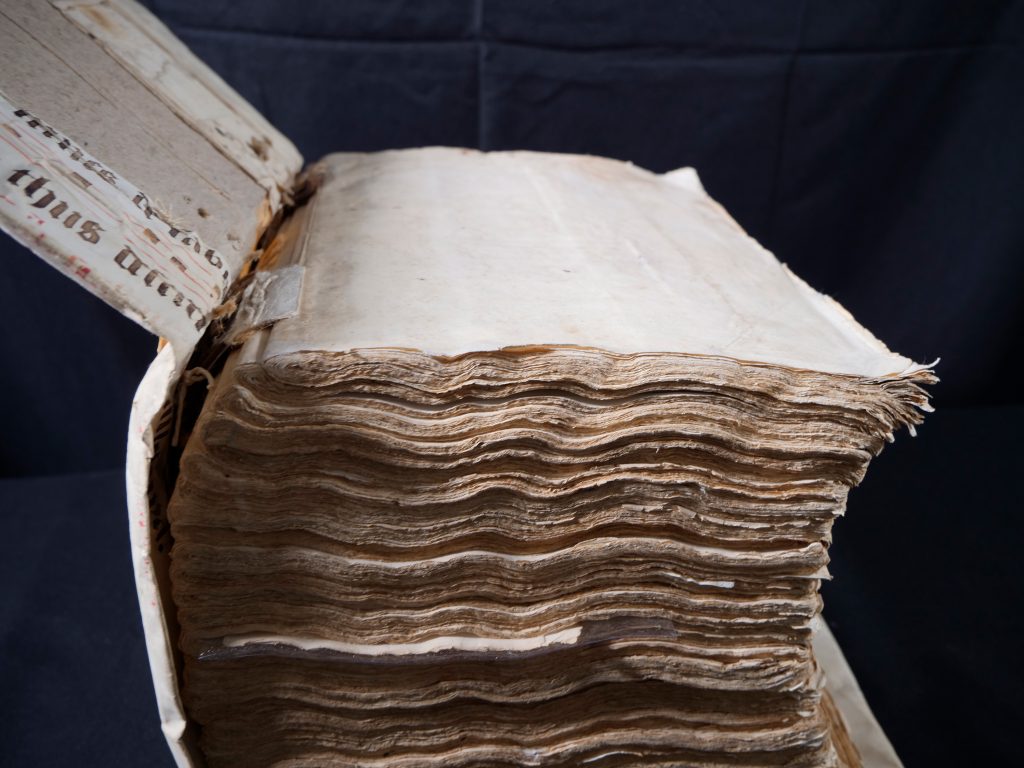
Fig. 10: Opening of the front cover before (left) and after treatment (right)

Fig. 10: Opening of the front cover before (top) and after treatment (bottom)

The treatment was carried out in February 2026 by Hoa Perriguey under the supervision of warranted Book & Paper Conservator, Chanelle Mifsud Briffa, Head of Conservation at the NAF.  Learn more about our Conservation Department

Endnotes

  1. Joan Abela, ed., “A Recycled Cover,” in Salvate Nos: Saving the Notarial Archives (Malta: Notarial Archives, Office of the Notary to Government, 2020), 71–73.
  2. Joan Abela, ed., “A Recycled Cover,” in Salvate Nos: Saving the Notarial Archives (Malta: Notarial Archives, Office of the Notary to Government, 2020), 71–73; Theresa Zammit Lupi, “Grand Master Lisle Adam’s Recycled Liturgical Manuscripts as Notarial Bindings,” in At Home in Art: Essays in Honour of Mario Buhagiar, ed. Charlene Vella (Valletta: Midsea Books, 2016), 221–234.
  3. Nicholas Pickwoad, “The Use of Fragments of Medieval Manuscripts in the Construction and Covering of Bindings on Printed Books,” in Interpreting and Collecting Fragments of Medieval Books: Proceedings of the Seminar in the History of the Book to 1500, ed. Linda L. Brownrigg and Margaret M. Smith (Oxford: Red Gull Press, 1998), 1–20.
  4. Jennifer Bain and Anna de Bakker, “Traces of Liturgy: Analysing Manuscript Fragments from the Binding of the Riesencodex,” Fragmentology 7 (2024): 9–51.
  5. Birgit Reissland et al., “Blotting Sand on Writing Inks: An Underestimated Source of Information,” in Pre-Conference Proceedings (Extended Abstracts), 2nd Iron Gall Ink Meeting and Final European Thematic Framework Meeting for Transitional Metals in Paper (MIP), ed. Jana Kolar and Matija Strlič (Newcastle upon Tyne, UK: MIP, 2006), 31–32.
  6. Rainer Milke, “Geomaterials in the Manuscript Archive: The Composition of Writing Sands and the Regional Distribution of Writing-Sand Types in Southwest Germany and Northern Switzerland, 14th to 19th Century,” European Journal of Mineralogy 24 (2012): 759–770. https://doi.org/10.1127/0935-1221/2012/0024-2207; Margarida Nunes et al., “Uncovering Blotting Sands on the Portuguese Inquisition Documents,” Journal of Cultural Heritage 61 (2023): 211–216. https://doi.org/10.1016/j.culher.2023.04.003; Margarida Nunes et al., “Multi-Analytical Characterisation of Blotting Sands on Documents from Religious Orders in Portugal (16th–19th Centuries),” Spectrochimica Acta Part A: Molecular and Biomolecular Spectroscopy 303 (2023): 123204. https://doi.org/10.1016/j.saa.2023.123204.
  7. De-restoration is the process of reversing a previous restoration by removing modern additions or alterations from an object or structure. Its aim is to reveal the original core and recover a state that more closely reflects the object’s historical condition. In this case, the earlier sewing repairs had altered both the structure of the binding and the movement of the first folios. Their removal allowed the original sewing to be repaired while restoring the manuscript to a state that more closely reflected its original appearance and function.
  8. Parchment is often used as a stay when extending broken sewing supports. In this case, however, Japanese paper replaced leather because the earlier repair secured only the quires and not the cover. This allowed the repair to match the thickness of the original support while adhering more readily to the parchment and accommodating the natural movement of the spine.
  9. Katherine Beaty and Kelli Piotrowski, “From Florence to Rome: Conserving Italian Stationery Bindings at Harvard University,” in Care and Conservation of Manuscripts 18, ed. M. J. Driscoll (Copenhagen: Museum Tusculanum Press, 2023), 31–53.
Read More

Careers in the Archive: Digital Archiving Technician

Careers in the Archive: Digital Archiving Technician

Marsha Iaci

When people think of archives, they often imagine silent rooms filled with dusty shelves and old papers. The reality is quite different. Historical archives like the Notarial Registers Archive (NRA) are more often than not dynamic places where history and technology converge. In this interview with Marsha Iaci, the Digital Archiving Technician at the NRA, we get a glimpse behind the scenes of digital archiving and why the role of the archivist is as relevant as ever.

Portrait shot of Marsha Iaci, NAF Digital Archiving Technician

What is an Archive?

As someone who spends her days in direct contact with the vast collection held by the NRA, Marsha feels that an archive is “a reflection of society, power, and the people or institutions behind it.” While they provide irreplaceable primary source material for historians and researchers, archives are also deeply emotional spaces, providing a tangible link to history and bringing it to life. There are many different kinds of archives, including government, corporate, family and even private ones, which together “form a rich, complex landscape that connects past, present, and future.”
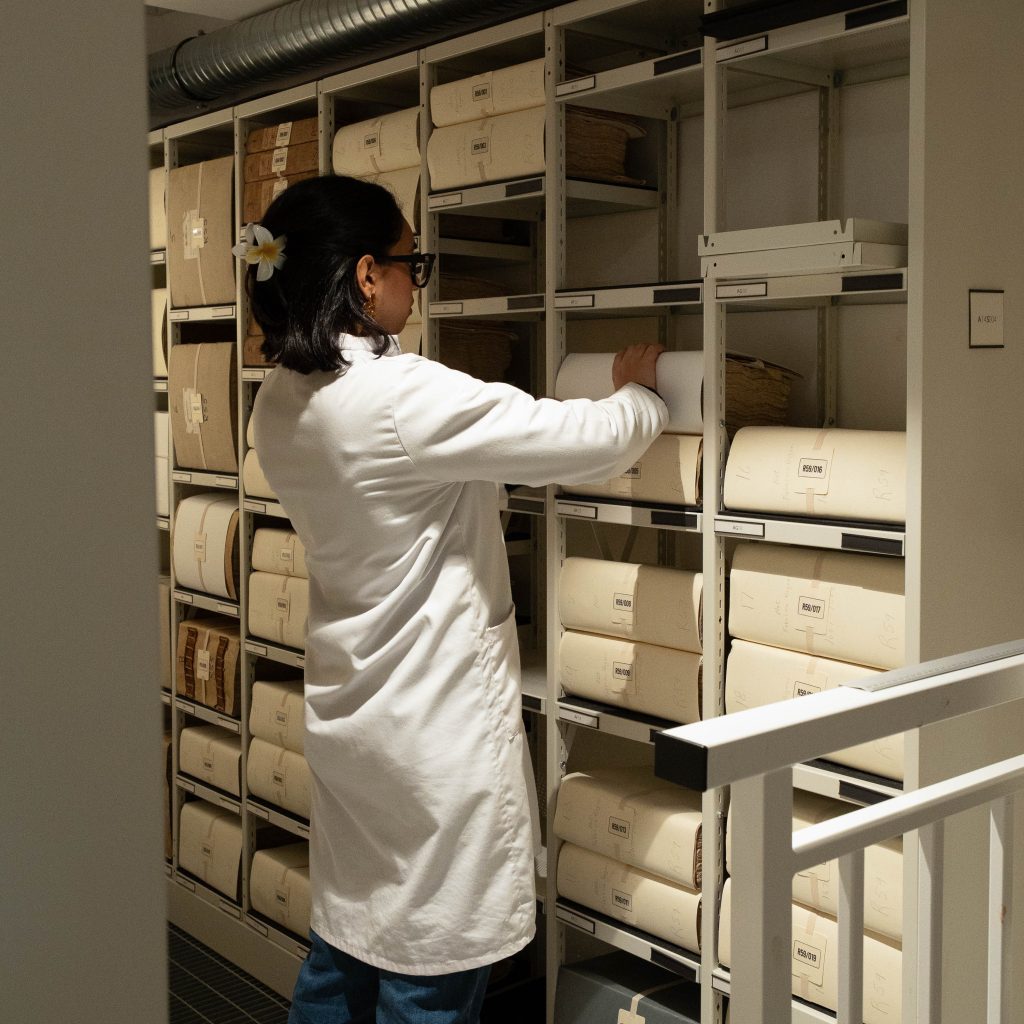
Photo of repository shelves filled with manuscripts
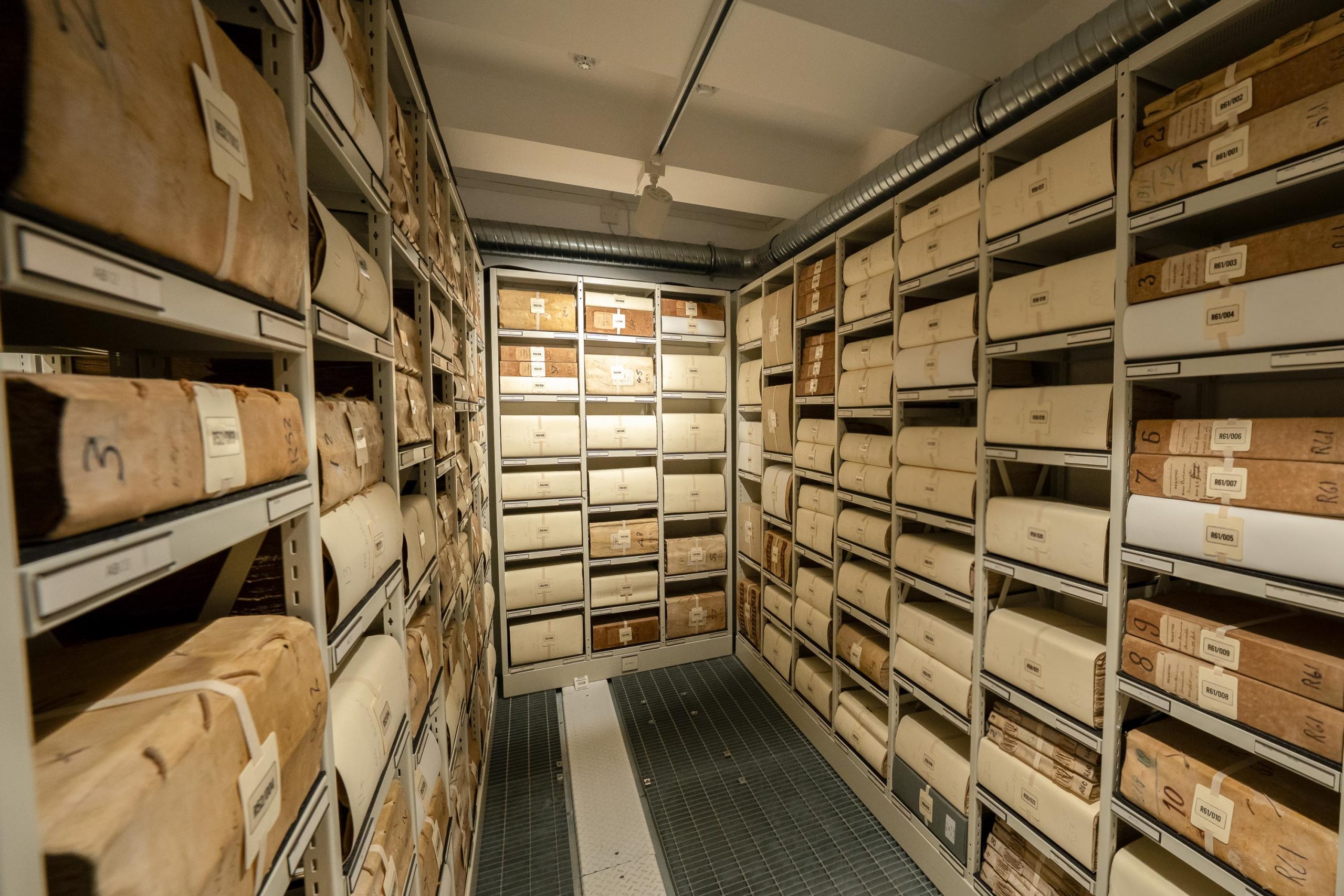
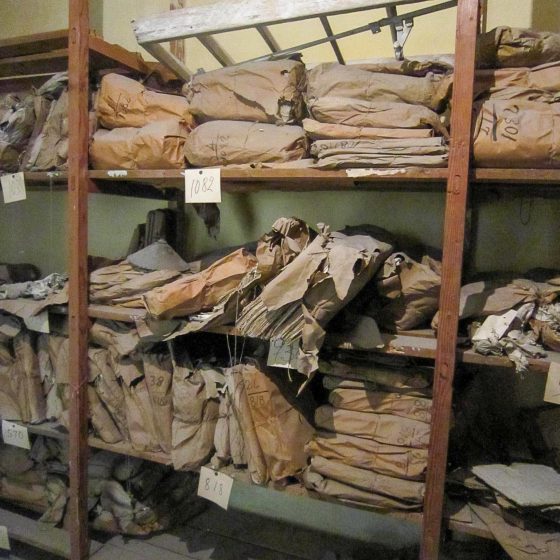
One of the repositories of the NRA

She adds that archives show how societies functioned and changed over time while revealing the priorities and perspectives of their creators. The choices made about what was to be preserved and what was to be left out reveal a lot about the people behind a collection. “This human dimension is essential: a single letter, photograph, or internal memo can tell stories about individuals, offices, or entire institutions,” she says.

What does an Archivist Do?

At its core, archiving is about safeguarding cultural memory and ensuring that future generations can access a collection and connect with the past. A traditional archivist’s focus is the accessioning, organisation, and description of physical records, ensuring that they remain accessible and usable over time. Such actions can include cataloguing, digitisation, security, and digital backups, helping to prevent loss, decay, or corruption.

However, changes in archiving have led to the emergence of the digital archivist. While the principles of archival work remain largely the same, digital technologies have transformed how collections are managed, described, and accessed. Traditionally, archival description has followed hierarchical standards such as ISAD(G), where records are described in relation to their fonds, creators, functions, and provenance. Digital approaches build on these foundations by making relationships between people, places, institutions, and events more explicit, structured, and machine-readable. This permits collections to be searched, connected, and interpreted in new ways.

While the work of a digital archivist overlaps with that of traditional archivists, the role bridges the physical collection and the digital systems that make it discoverable and usable. As a digital archiving technician, Marsha’s job entails the organisation and, together with the conservation team, the preservation of the collection held at the NRA. However, although the preservation and organisation of a collection is a crucial function of archives, Marsha is keen to stress that this is only a fraction of the work that goes on at the NRA. In the case of archivists, as well as in her case, their job is a mix of research, interpretation, and what Marsha describes as “a kind of detective work”.

Every now and then, Marsha and her colleagues come across hidden gems among the centuries-old volumes at the archives. “One of the discoveries I’ll never forget was finding the long-lost index of Notary Lorenzo Agius,” recalls Marsha. “For years, it was believed to have disappeared completely, so it was a thrilling moment when I unexpectedly found it inside one of the volumes of another notary. It had been hiding in plain sight.” Indices are important tools for researchers, so restoring Agius’s ‘missing’ one filled a gap that had hitherto complicated their job. This kind of detective work is one of the things Marsha enjoys most in her job. “Sometimes I feel like Agatha Christie, piecing together mysteries from fragments of evidence and following the trail until the story reveals itself.”

Finding a Path into the Archives

Marsha’s journey into archiving began when she was in sixth form, while doing a Systems of Knowledge project at the National Archives of Malta in Rabat. “I remember walking into the archives for the first time and seeing how history could be experienced directly through documents,” she recalls. That school outing was to steer her towards a career in archiving, but it was meeting Dr Joan Abela that inspired her to pursue a Master’s Degree in Archives and Records Management. “She played a crucial role in showing me how to connect what I was studying with the world of archives,” she says. “Dr Abela helped me see that archives could provide links across disciplines, from history, language, and law, to culture and society.”

As she read for her master’s, Marsha started volunteering at three different archives around Malta, one of which was the Notarial Registers Archive, where she is now a full-time employee. “Volunteering provided me with hands-on experience which was invaluable, as it allowed me to apply what I was learning, to handle collections directly, and to see how different archives function,” she shares.

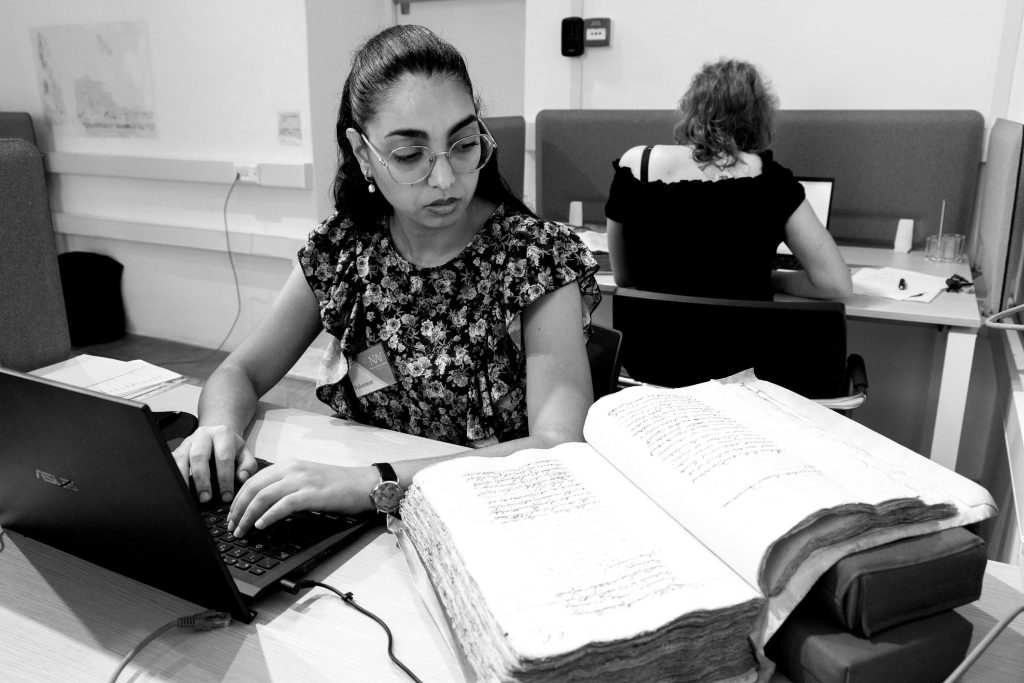
Photo of Marsha transcribing manuscript as a volunteer
Marsha transcribing a register as a volunteer. © Amanda Hsu

A Day in the Life of a Digital Archiving Technician

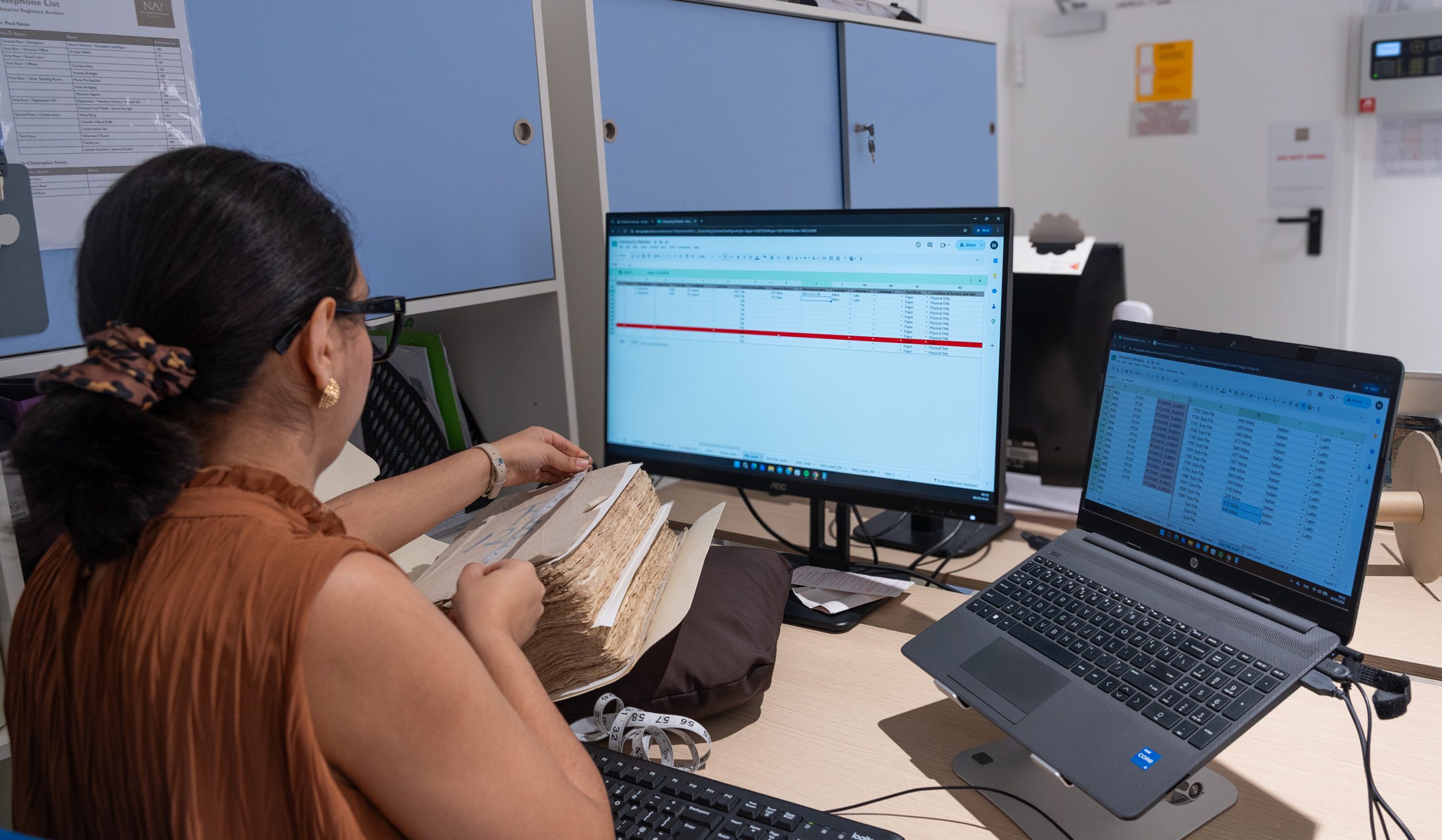
There is no such thing as a completely typical day in the archives. For a digital archiving technician, this work often involves moving between the physical and the digital worlds. A document may need to be checked and catalogued before digitisation, handled according to conservation guidance, reviewed for image quality, assigned metadata, and linked to the correct catalogue entry. Each step matters: a poorly named file, missing reference number, or unclear description can make a document difficult to find, even after it has been digitised. “Collaboration is constant,” Marsha states. “I work closely with conservators, our ICT specialists, and my other colleagues to ensure collections are preserved, digitised, and made accessible to researchers in a safe and meaningful way.”
Marsha shelving manuscripts in repository

Challenging Common Misconceptions

One of the most common misconceptions about archival work is that it is solitary and simply involves storing old documents. In reality, archivists and digital archiving technicians are constantly analysing, interpreting, and connecting records, while collaborating with professionals across disciplines.

“Many don’t realise how much the role of the archivist has evolved,” Marsha points out. “Digital archives, international standards, and concerns about accessibility, inclusivity, and ethical stewardship mean that being an archivist today involves a combination of preservation, research, technological skills, and storytelling. It’s far more than shelving documents; it’s actively shaping how society understands and connects with its collective memory.”

Guidance for Those Considering a Career in Archiving

There are many ways to enter the archiving profession. In Marsha’s case, a background in Classics and Archaeology provided her with useful skills, but different first degrees can be equally helpful. For those who wish to progress as professional archivists, a Master’s degree in Archives and Records Management can be extremely valuable, as it provides training in archival standards, ethics, and international practice. “It provides the standards, ethics, and training that give your work recognition worldwide,” says Marsha. “If you enjoy thinking, questioning, and helping others discover knowledge, you’ll find it deeply rewarding.”

Why This Work Matters

What Marsha loves most about her job is the sense of connection with the lived experience of people from centuries ago. “Above all, I love knowing that what I do helps preserve memory for future generations while keeping it accessible and meaningful today,” she adds.
Read More

Finding Family in the Archives

Finding Family in the Archives

Introduction

When British notary William Stevens began working in Malta in 1806, he had no idea that his name would still be spoken in the same island capital city over two centuries later. Recently, some of his descendants visited the Notarial Registers Archive in Valletta. They were shown the volumes in which their ancestor had recorded hundreds of legal acts. Though the visit was quiet and informal, it was rich in meaning. It brought together the past and the present in the very city that had once shaped William Stevens’ professional life, and where his handwritten legacy still rests on the shelves of the Archives.

The Notary in Question

William Stevens practised as a notary in Malta for nearly fifty years, from 1806 to 1854. He was the first of a small group of British notaries working on the island in the British Period, during a time of significant social and political change. In fact, this put him in a position to be able to record the activities of many mercantile and enterprising ventures by British and Maltese alike. His work was also extensive, but he was more than just a name and signature at the end of each deed.

As it turns out from his correspondence and those of his son William John Stevens, who followed in his father’s footsteps and became a notary in his own right, he and his wife, Giovanna, had fifteen children. The family was far-reaching, and travelled extensively, with his adult children working and raising their own children in Turkey, Ukraine, Iran, Azerbaijan, Georgia, England, India, Ireland, Brazil, and Saint Thomas in the Caribbean (now the US Virgin Islands). Stevens himself was even imprisoned briefly in 1833, a trial that became the talk of the town, full of personal and political intrigue.

The archive preserves dozens of volumes of notarial acts written by both father and son. In recent years, they have become the focus of a long-running research project by Sarah Watkinson, whose connection to the Stevens family began with a brush and a curiosity.

 
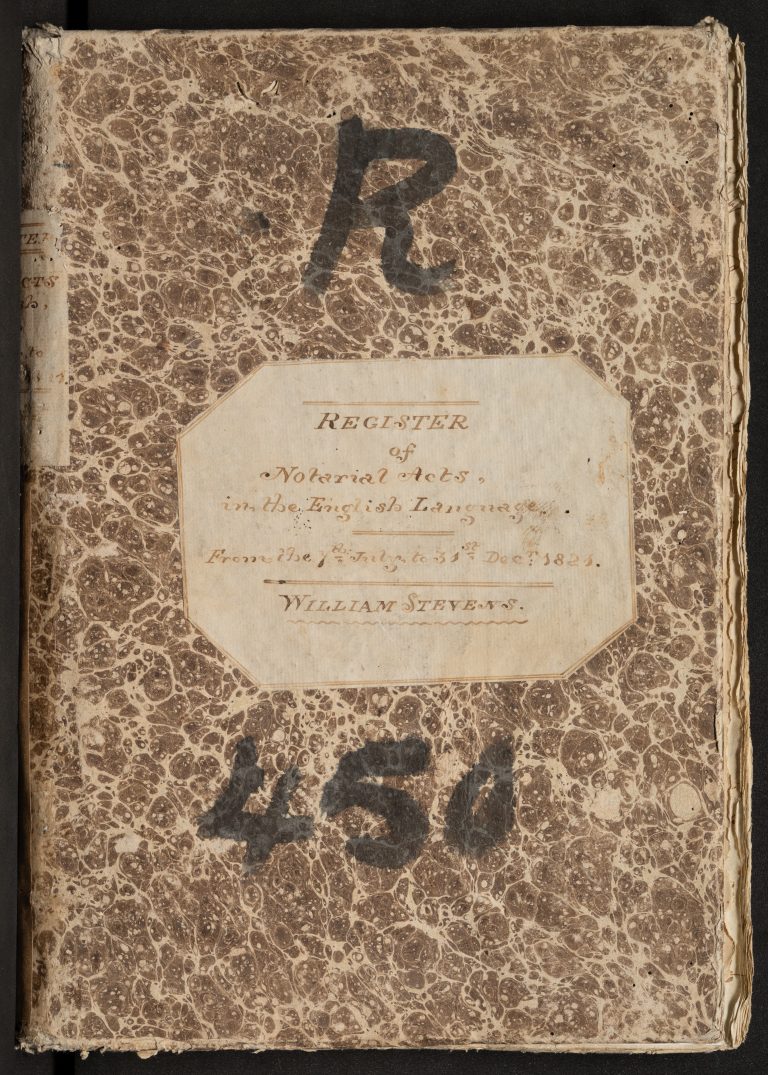
Marbled cover of Notary William Stevens, 1821

The cover of R450 Volume 2, of Notary William Stevens, 1821.

Discovery and Early Research

Sarah first visited the Notarial Archives in 2012, not long after moving to Malta. What she found was not a pristine research library, but a building in poor condition. The roof leaked, papers were stacked in boxes, and many of the rooms were filled with volumes in various states of disrepair. Despite this, or perhaps because of it, she felt drawn to the place. Encouraged by Dr Joan Abela, she began volunteering, carefully brushing dirt off centuries-old pages.

At first, she was frustrated. The early modern Italian was difficult to read, and her efforts to understand the handwriting led nowhere. Joan suggested she look at the English-language acts of the few British notaries who had worked in Malta during the 19th century. These included William Stevens, William John Stevens, and Charles Curry. With no catalogue in place, Sarah and a team of volunteers helped build a database.

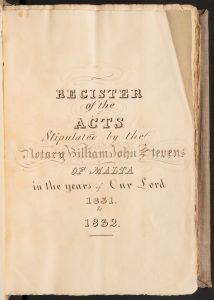
Opening folio of R451 Volume 1, Notary William John Stevens (son of William Stevens), 1831

Title page of R451 volume 1, Notary William John Stevens (son of William Stevens), 1831–1832.

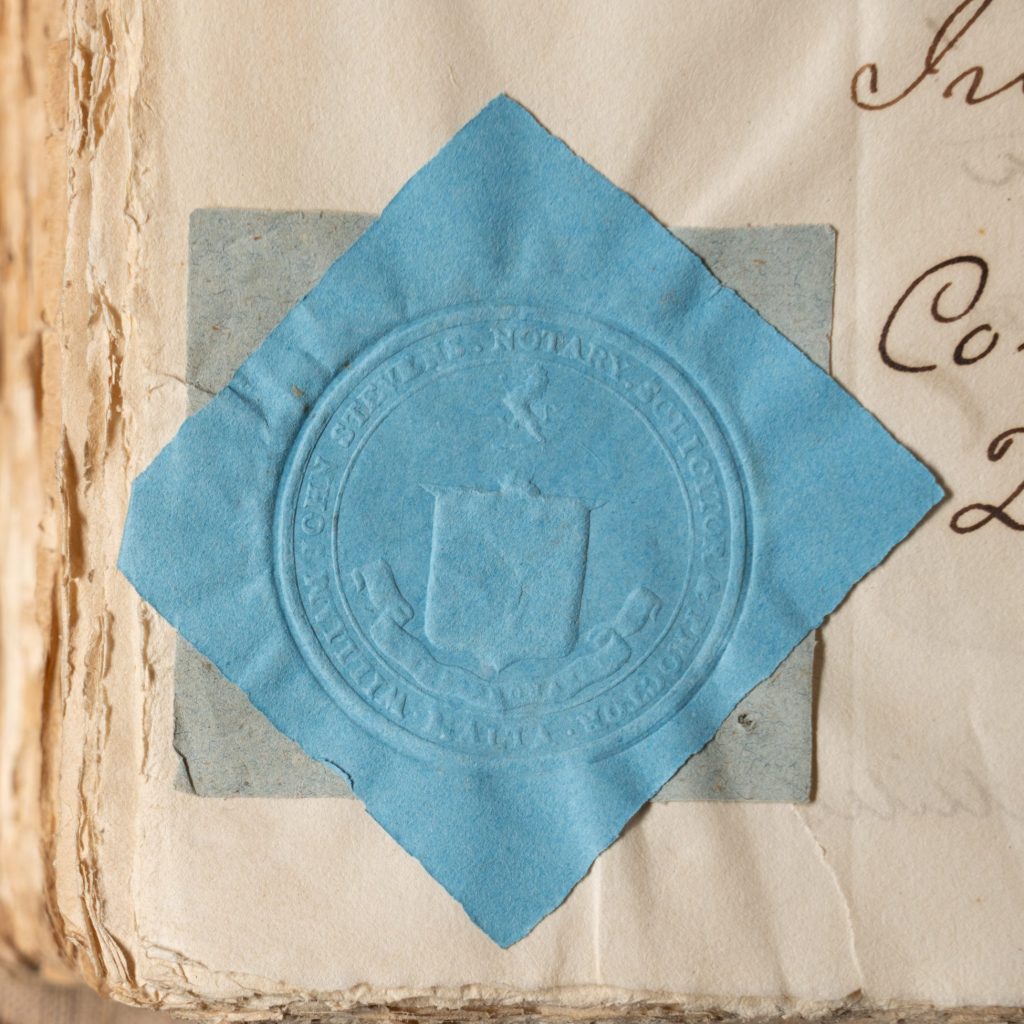
Seal of Notary William John Stevens, from R451 Volume 2, 1833.

They started with William John’s volumes, as the handwriting seemed more legible. The first document she read, about a ship quarantined in Messina, felt disappointingly mundane. But the second deed caught her attention. It was dated 1831 and had been drawn up to protect William’s wife, Giovanna, from an “embarrassment” caused by her husband seventeen years earlier. The act was prepared by one son and witnessed by another. It raised questions. Why record such a thing so long after the fact? What exactly had happened? And why did the family choose to document it in this way? From that moment, Sarah was drawn into the story of the Stevens family, and the deeper she went, the more there was to find.

Finding the Personal Documents

As the archive continued to be sorted and reorganised, Sarah came across boxes of loose documents. Among them were personal letters, notes, invoices, and scribbles written by William, William John, and other members of the family. These papers had likely been swept from an office desk after William John’s death. While the culprits are unknown, Sarah suspects his sisters. They were never meant for public reading, but for Sarah, they were a treasure trove.

The letters weren’t easy to read. Frederick, one of the sons, often wrote a full page, then turned the sheet sideways and wrote across it again to save paper. William John used extremely thin sheets that made the ink bleed through. The handwriting was messy. Spelling and punctuation were unpredictable. But what they revealed was remarkable. Here were the voices of a family that had lived across continents. Their joys, struggles, and daily routines were preserved in their own words.

These letters filled in the human details that the notarial acts had left out. They showed the emotional weight behind the legal documents. Sarah learned about the family’s travels, illnesses, arguments, and affections. And while she could not use these letters in her Master’s thesis, which focused on notarial content, they became the foundation of her forthcoming book instead.

A Visit Across Generations

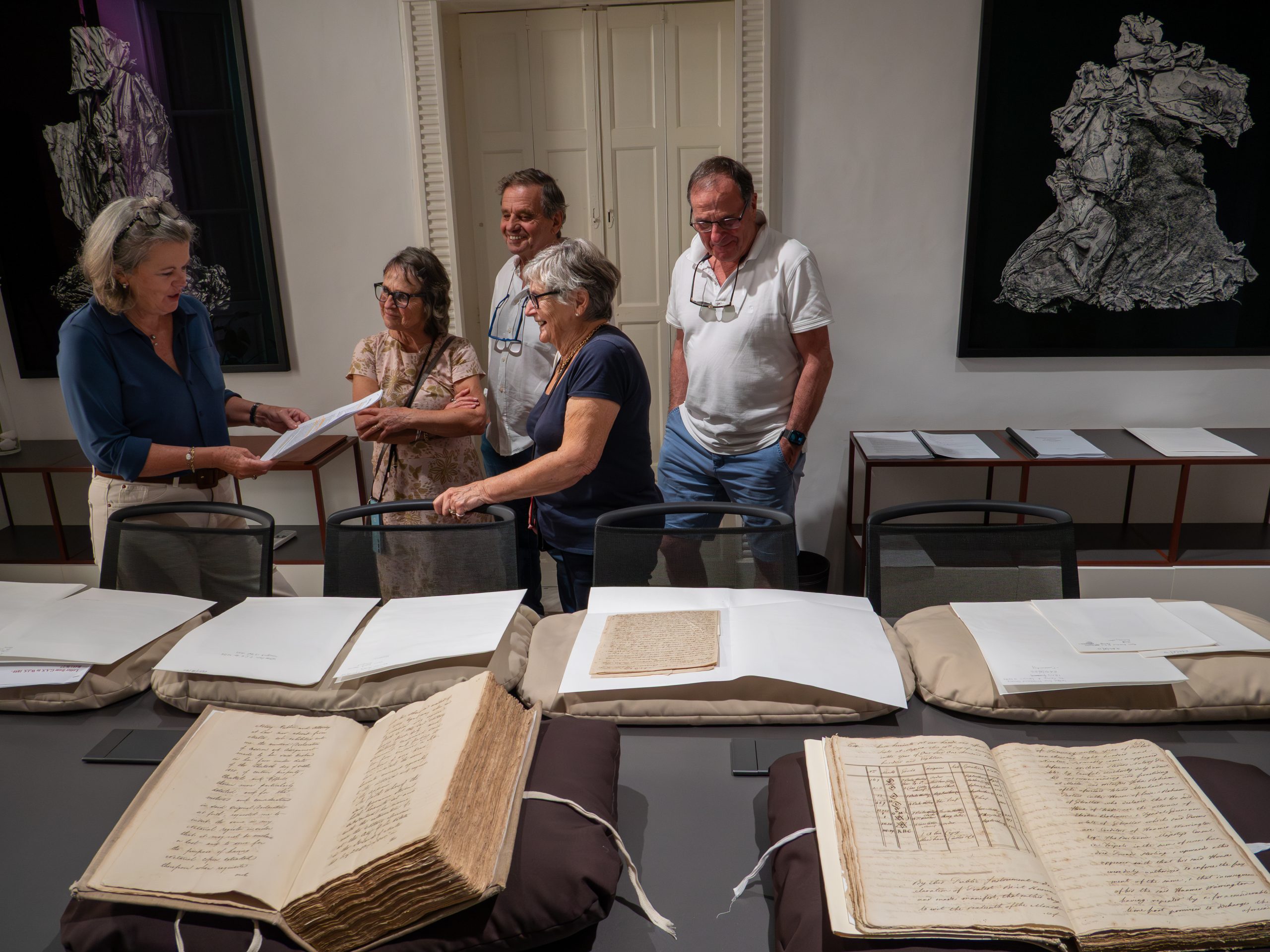
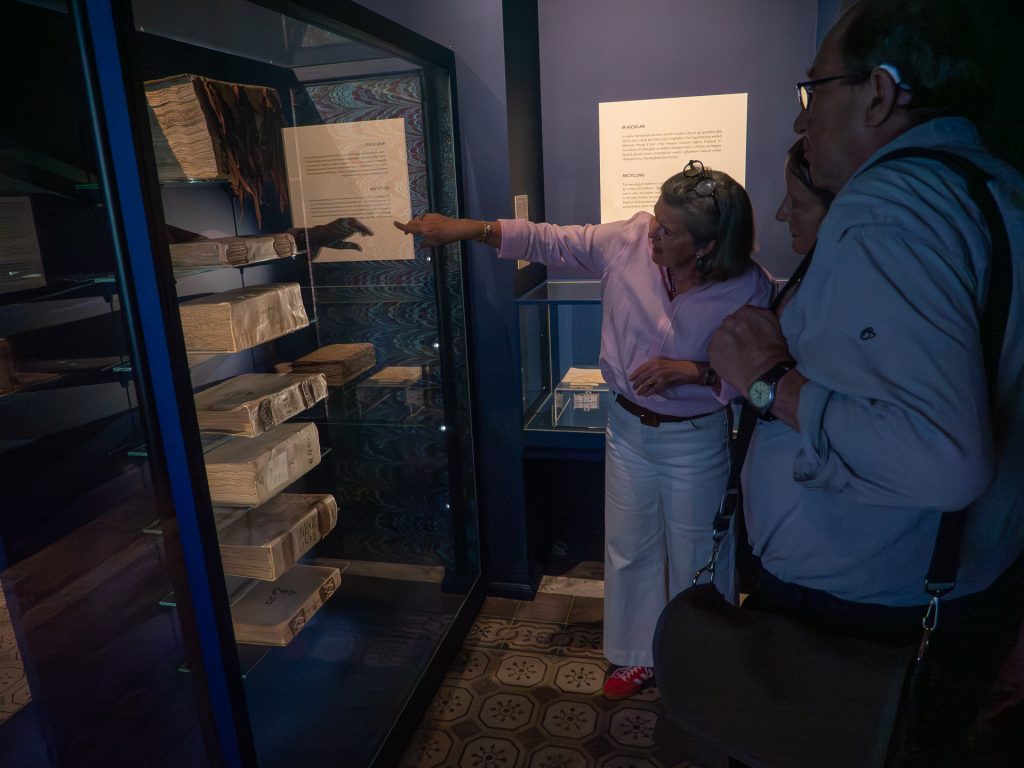
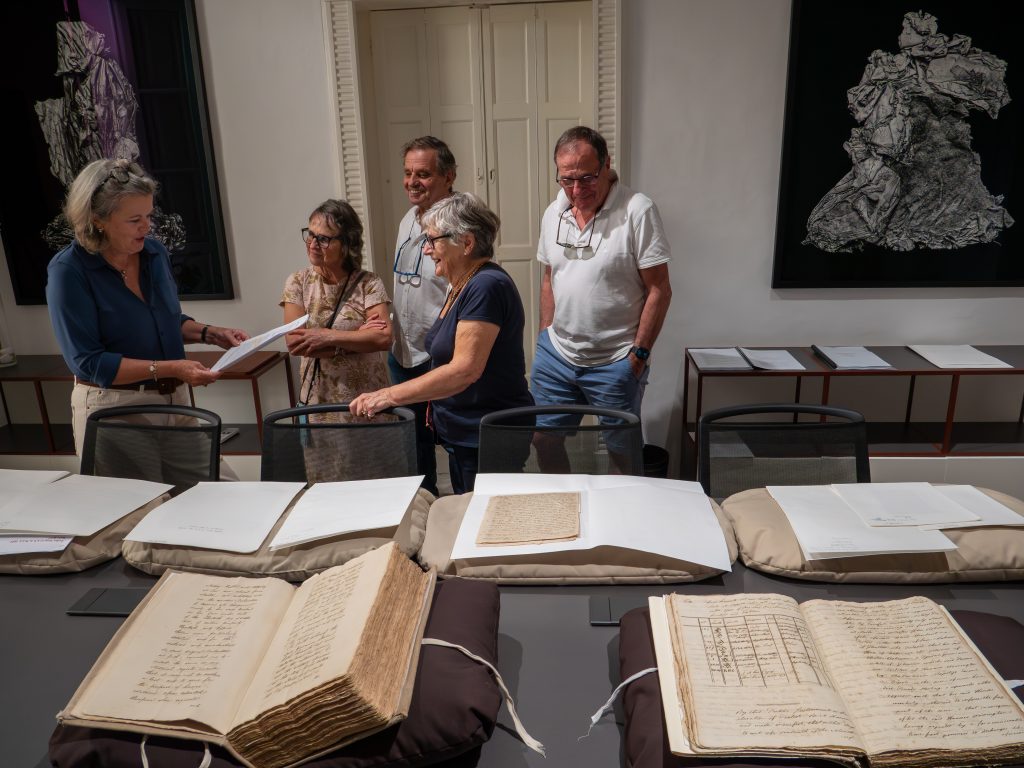
A recent visit by descendants of William Stevens took place at the Notarial Registers Archive, where they viewed a selection of original documents linked to their ancestor’s notarial work. While it wasn’t the first time Sarah had met them, the timing carried a particular weight. With her book on William Stevens’ personal life nearing publication, the opportunity to share parts of the original material with his descendants felt especially significant.

The fact that a notarial attestation written in the 1800s could still hold personal meaning for his family in 2025 speaks to the lasting human relevance of these records. It also highlights the vital role of the archive, not just as a legal repository, but as a space where history remains connected to the present and open to discovery, interpretation, and even human connection. It also aptly demonstrates that the notary himself—his professional life, personal life, and relationships, and the networks in which he moved—is a valid subject of interest and research in his own right.

“People often assume legal records are dry or impersonal,” Sarah reflects. “But they can be incredibly rich when you know how to read them. Notaries didn’t just passively record legal transactions or events, but were active parts of those societies, with their own opinions, families, and conflicts. And all of that shows up in the margins, in the choices they made, in what they chose to record, and in the miscellanea that never made it onto the notarial acts.”

Photos from the recent visits of William Stevens’ descendants, together with Sarah Watkinson.

A Living Archive, A Knowledge Trove

The story of William Stevens and his descendants is just one example of the kind of research that can come out of the Notarial Registers Archive. The archive holds thousands of volumes, many of which have yet to be fully explored. They contain records of marriages, debts, adoptions, business dealings, dowries, and disputes. But they also contain human moments. Behind every legal formula is a person. And behind every signature is a story.

For students, researchers, and scholars alike, the Notarial Registers Archive offers a rich and largely untapped field of study. Whether your interest lies in history, law, gender, migration, social relationships, or material culture, there is something here for you.

And sometimes, as Sarah’s work has shown, the story you end up telling is more surprising, more layered, and more personal than you could ever have planned.

Read More

The Story of the Notarial Registers Archive and the NAF

The Story of the Notarial Registers Archive and the Notarial Archives Foundation

The story of the Notarial Registers Archive and the Notarial Archives Foundation start in the late 15th century, marking the beginning of a long and often tortuous journey.

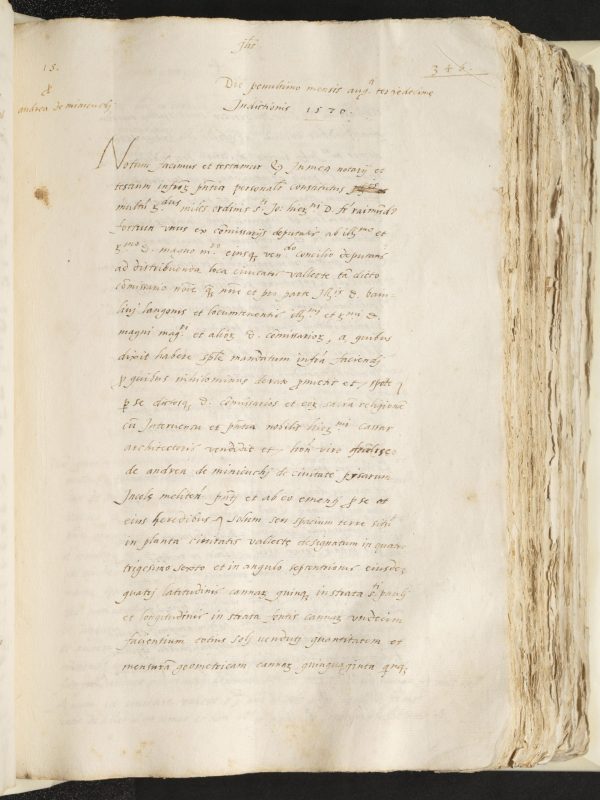
It all started three years after the Great Siege, and two years into the building of Valletta, when Julio Bustra of Cyprus bought a plot of land at 217, St Paul Street. The following year, Francisco de Andrea de Minicuchi of Pisa purchased the adjoining plot at 24, St Christopher Street. Both built palazzi in the Baroque style, which would become popular in the 17th and 18th centuries, and the two buildings began their long life hosting a variety of users, ranging from shops to apartments and public offices. Eventually, they became the home of the Notarial Registers Archives, but it took more than 400 years for this to happen.

The Many Homes of the Notarial Archives

The Notarial Archives were originally established in 1640 by a decree issued by Grand Master Lascaris. Initially, half of the collection was housed in Mdina, while the other half was in Valletta. In 1850, the entire collection was moved to Valletta. Later, as the Second World War threatened to reach the islands, part of the collection was moved to the Auberge d’Italie, and the rest to a basement in St Andrew’s Street. When the latter suffered a direct hit during the war, burying volumes under debris, the collection was moved to the basement of Auberge d’Italie, separating the Registers from the originals and sending them back to Mdina, where they were safely stored in two rooms within the city’s bastion walls. By the 1960s, the collection was split neatly into two: the original manuscripts found their home at the repository in Valletta’s Mikiel Anton Vassalli Street, where they still reside, while the Registers (copies which were faithfully transcribed from the original manuscripts at the same time the originals were written) and Bastardelli (drafts of notarial deeds) were taken to the palazzo which de Andrea de Minicuchi had built 400 years earlier in St Christopher Street. After centuries of being uprooted and relocated, the Notarial Archives finally seemed to have found a permanent home in the two Valletta repositories. However, it would be another four decades before the collection at St Christopher Street would receive some care.
_R4_002_1570_PlacidoAbela_000345r
R4/2, f. 346r. Deed of Notary Placido Abela (1557-1585) that documents the purchase of the plot on St. Christopher Street by Francisco de Andrea de Minicuchi.

From Neglect to Hope

One Tuesday morning in 2002, Dr Joan Abela, who was then an undergraduate history student at the University of Malta, walked into the palazzo housing the Notarial Registers Archive and saw a sight that would forever change her life and the fate of that repository. She had been conducting research at the repository in Mikiel Anton Vassalli Street and wanted to access the work of the 16th century notary Placido Abela, but nothing had prepared her for the contrast between the two archives.

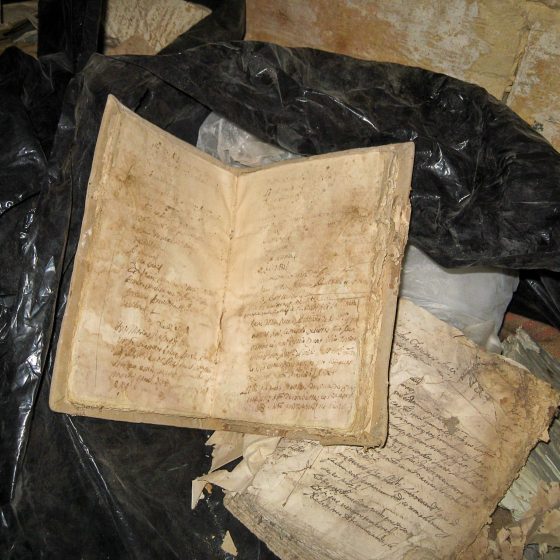
Not only was the Notarial Registers Archive open only on rare Tuesdays when someone happened to be there, but the volumes stored within it were in a pitiful state. Dust-covered registers and loose folios sat on wooden shelves or were unceremoniously dumped on the floor. Some volumes even had leftover debris from the war stuck between their pages. There was no order to the documents, and the palazzo’s dark, damp conditions were only accelerating their deterioration. Soon after her first visit, Joan returned to find garbage bags stuffed with loose folios, ready to be disposed of. Someone had presumably thought they were tidying up by doing the unthinkable.

120143050_601982957138853_8786016076232012727_n-2
The state of the archive in the early 2000s.
120220256_651714695777216_7047317902065627783_n-2

Saving the Archive

Faced with this heartbreaking reality, Joan Abela stepped in, advocating for the archive and rallying other historians and professionals who would help her in her mission to save Malta’s paper heritage from being permanently lost. The sad truth is that, for decades, these manuscripts had been dismissed as not important enough to warrant their conservation. They had only been kept because the law states that notaries must keep copies of their deeds, but what Joan saw was six centuries of Maltese life at risk of being forgotten. Since the 15th century, notarial deeds and related documents have provided insights into the lives of people from all social classes. These manuscripts, which had been left to rot, contained precious information about the daily lives and relationships of both nobles and peasants, about slavery and trade, and even eye-witness accounts of historical events.

Three years after that fateful first visit to the Notarial Registers Archives, Joan founded the Notarial Archives Resource Council (NARC). This voluntary organisation was created to raise awareness about the state of the Archive and the importance of safeguarding Malta’s paper heritage. Its mission also focused on securing funding for the rehabilitation and conservation of the Archive and its collection. This was no easy feat. The archive was getting no help from the government, so the only option was to seek financial help from the private sector through sponsorships.

Turning Stories into Support

This is when NARC came up with an ingenious fundraising initiative: the Adoption Scheme. Through it, individuals and organisations could sponsor the conservation of specific volumes or entire series of registers of a particular notary. Where at first there was skepticism about the private sector’s role in this project, the lives and stories captured within the archive’s manuscripts convinced sponsors that this heritage was worth saving.

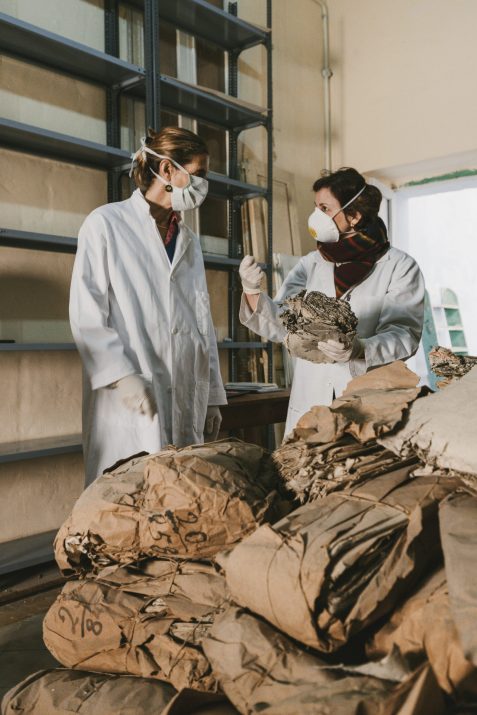
Meanwhile, Joan gathered a team of volunteers, including a professional book and paper conservator to help preserve the collection, while working relentlessly to garner more support. The team’s efforts were rewarded eleven years later, when the Notarial Registers Archive was awarded an ERDF Development Grant to transform the Archive into a centre of excellence. This included the restoration of the two historic buildings in St Christopher Street and St Paul Street, the installation of the first climate-controlled repository on the islands, a fully equipped conservation laboratory, a reading room, a museum, and other essential improvements.

By the following year, through the ongoing engagement of professionals, researchers, artists, students, and a growing team of dedicated volunteers, the Notarial Archives Resource Council (NARC) had evolved into an interdisciplinary community, reflecting the wide-reaching impact of the Archives and uniting people from diverse fields around the shared goal of preserving Malta’s written heritage.

The Notarial Archives Foundation

The natural next step was to formalise this work, with the NARC officially becoming a foundation: the Notarial Archives Foundation. The motto ‘ad servandum posteritati’—to preserve for posterity—was adopted, reflecting the Foundation’s mission to safeguard Malta’s paper heritage for future generations.

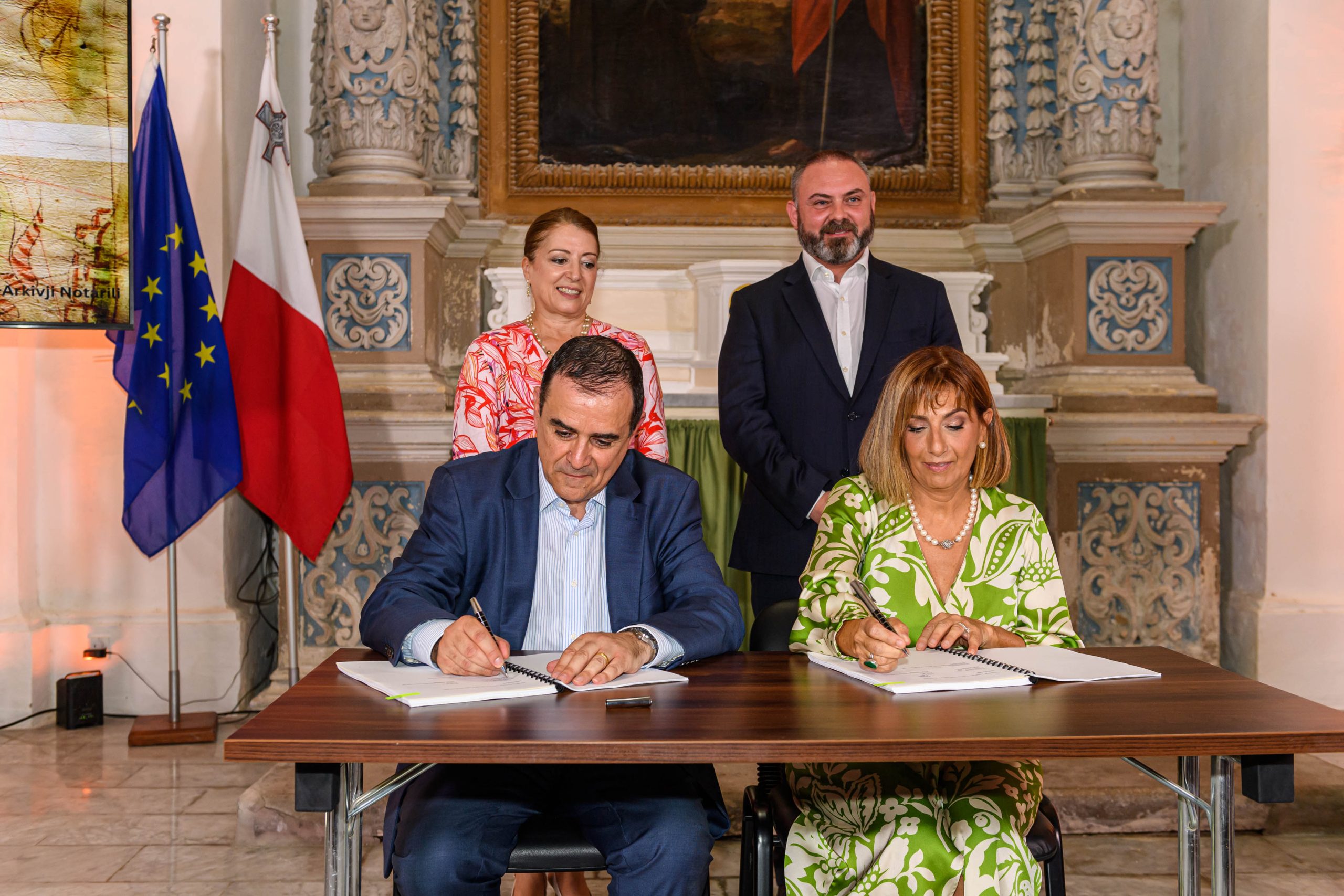
Finally, in 2023, in a historic moment, the Notarial Archives Foundation, together with the National Archives of Malta and the Maltese Government, signed a Memorandum of Understanding. This agreement granted the Foundation custody of the Notarial Registers Archive and the responsibility of managing its operations and transforming it into the centre of excellence envisioned over many years of work.

Memorandum of Understanding signing that handed custody of the Notarial Registers Archive to the Notarial Archives Foundation.

Today marks the two-year anniversary of the signing of the Memorandum of Understanding that entrusted the Notarial Archives Foundation with the custodianship of the Notarial Registers Archive. Since then, many new projects have been undertaken and several milestones have been achieved, each of which is a testament to the vision and hard work of Dr Joan Abela, her team, and the many generous sponsors who stepped in to help. 

Read More