Preserving the Carmelite Library and Archives in Valletta
by Marsha Iaci
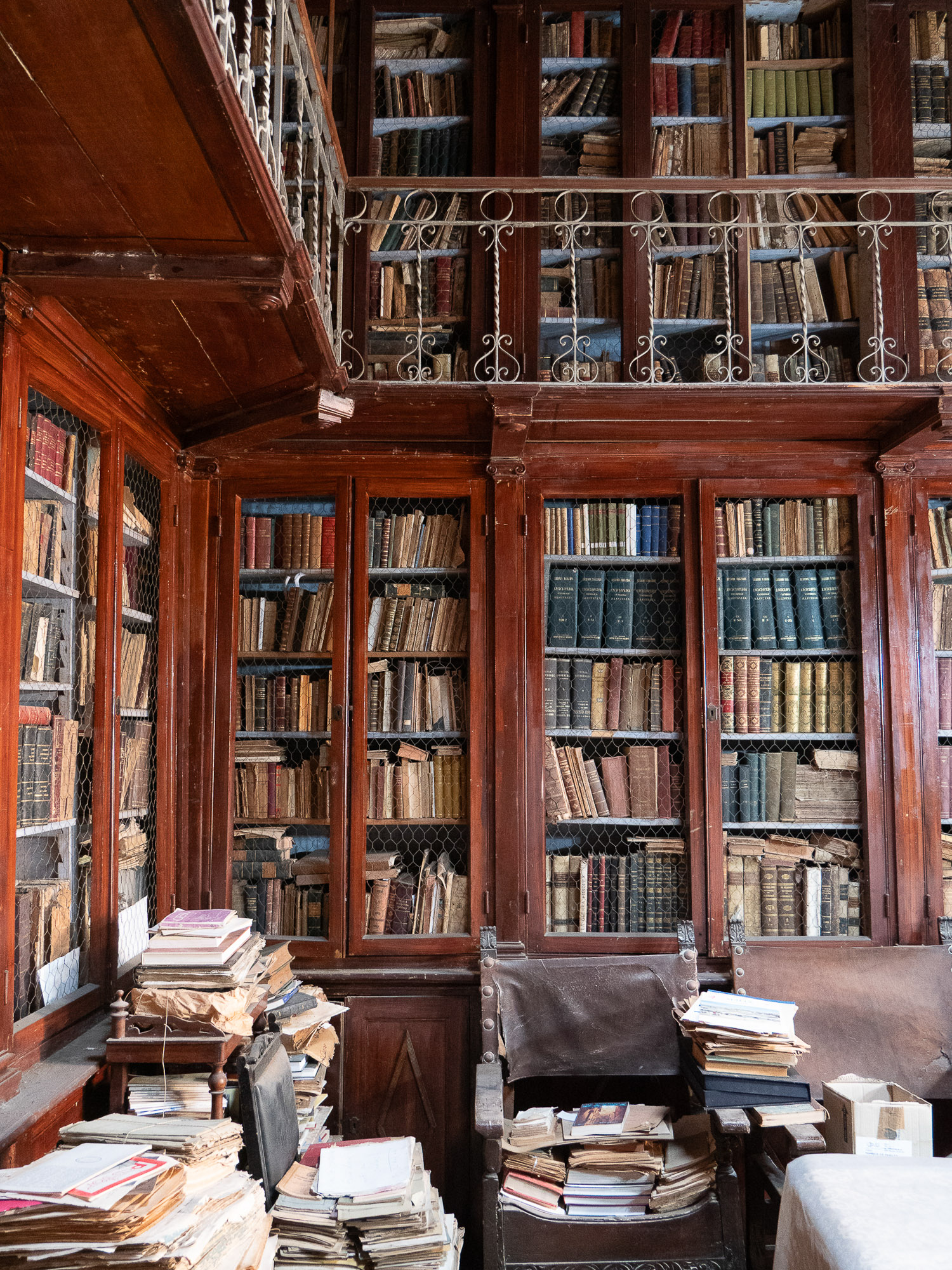
At the heart of Valletta, hidden within the walls of the Carmelite Priory, lies a remarkable collection of manuscripts, books and documents that tells centuries of stories, knowledge and tradition.
For many years, this precious heritage remained relatively unexplored; today, however, it is being given new life through a preservation project led by the Notarial Archives Foundation, with the support of the Alfred Mizzi Foundation. The project focuses on preserving material of significant historical and cultural value while making the collection more accessible to researchers, students and the wider public.
Through careful packing, cleaning and cataloguing, the collection is gradually being organised and protected for the future. At the same time, this work is helping to facilitate the structural works required within the building. In this way, the project is doing more than protecting the past, it is creating a bridge between Malta’s heritage and present and future generations.
A Carmelite Presence in Malta
The history of the Carmelites in Malta goes back to the medieval period, when the Order arrived on the island and established the first community.
Initially, the friars chose quieter locations away from urban centres, where they could dedicate themselves to prayer and community life. On 5 June 1418, Margarita d’Aragona di Pellegrino granted the Carmelite friars a church in the countryside dedicated to the Annunciation of the Virgin Mary, together with a convent in the area known as San Leonardo, within the limits of Mdina-Rabat. The friars were required to celebrate the Divine Office daily in the church.
Everything changed on 28 March 1566, when Grand Master Jean Parisot de Valette laid the foundation stone of the new city that would bear his name: Valletta.
The establishment of the new capital opened a new chapter for Malta’s religious orders, including the Carmelites. A few years later, on 27 July 1570, Carmelite friar Gwann Vella, O. Carm., obtained land to build a church and priory in the new capital. The intention was for the Carmelites to become an important part of the spiritual life of a city that was still taking shape.
The original Carmelite church, attributed to the architect Girolamo Cassar, was designed in the Renaissance style and was among the earliest religious buildings in Valletta. Over the years, the Carmelite presence continued to grow. The convent became more than a place of prayer – it also developed into an important centre of education and culture.
One significant development occurred on 20 October 1944, when the Carmelites opened the Mariana Apostolica school for young men called to religious life. Students received specialised formation in subjects including Latin, Italian and music, preparing them for the priesthood and Carmelite life.
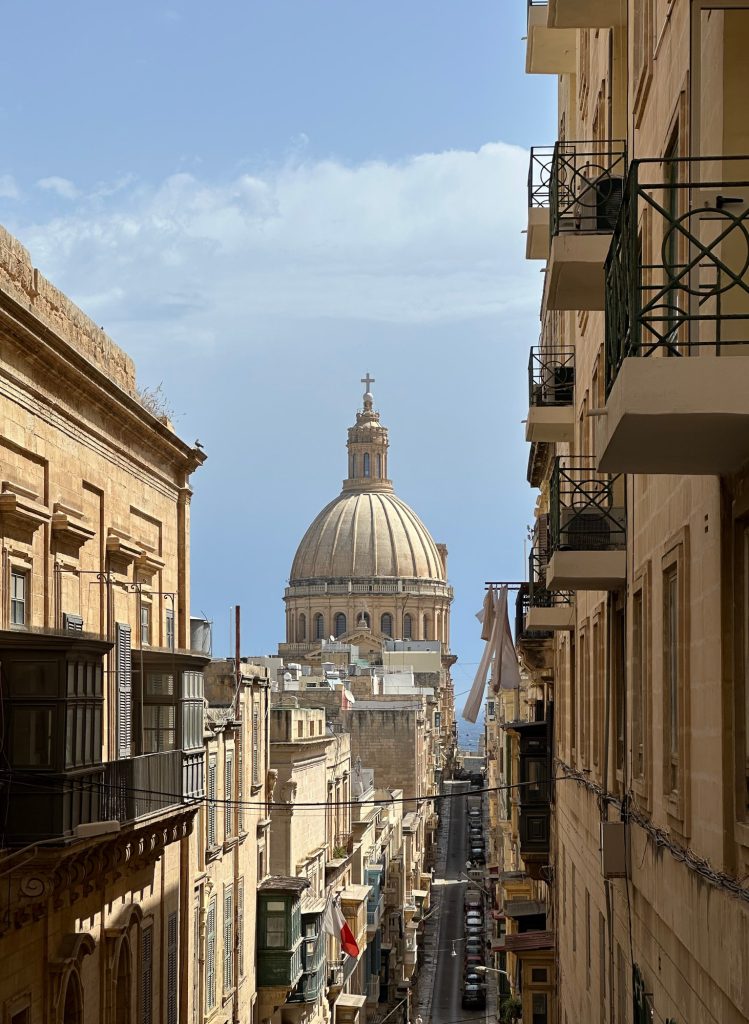
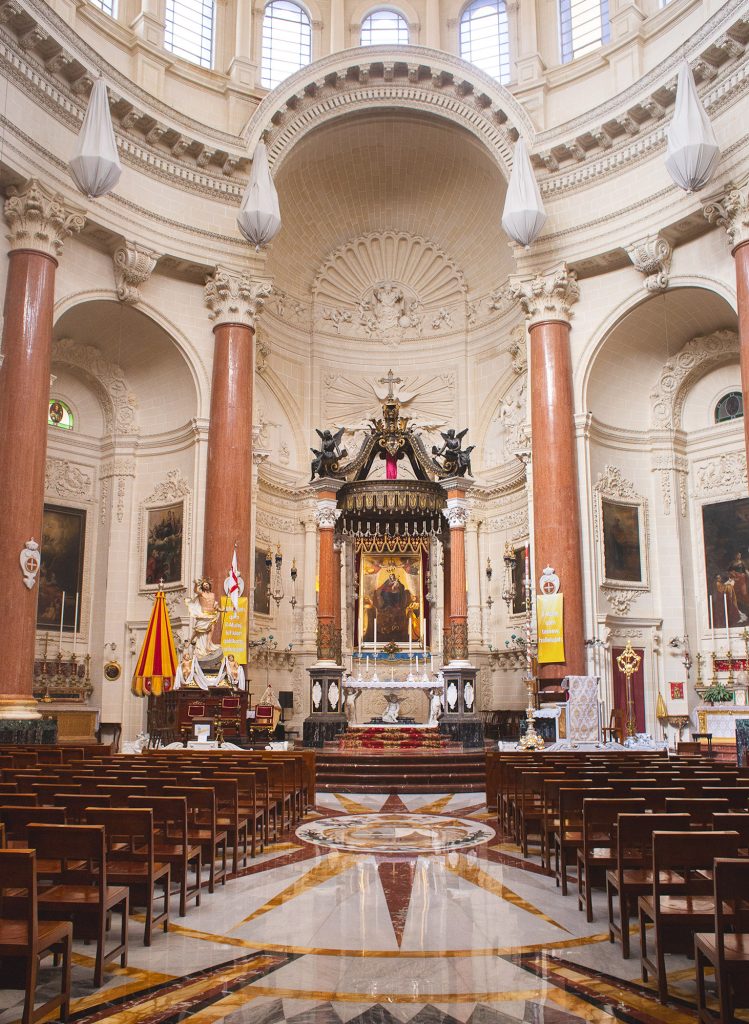
Left: The dome of the Basilica of Our Lady of Mount Carmel, as visible from Old Mint Street, Valletta.
Right: The interior of the Basilica of Our Lady of Mount Carmel, Valletta.
Top: The dome of the Basilica of Our Lady of Mount Carmel, as visible from Old Mint Street, Valletta.
Bottom: The interior of the Basilica of Our Lady of Mount Carmel, Valletta.
A Library Shaped by History
The history of the Carmelite convent has not always been peaceful. During the Second World War, Valletta suffered extensive bombing. In 1942, both the Carmelite church and library were seriously damaged, causing structural problems and placing a valuable collection of books and documents at risk.
After the war, however, the community began a long process of reconstruction. Over time, this led to the basilica we know today, with its impressive dome becoming a defining feature of Valletta’s skyline and a powerful symbol of how heritage can be rebuilt and brought back to life.
The convent remained vulnerable even in more recent times. In 2022, a severe storm and water infiltration damaged both the library structure and the historical materials housed within it. This created an urgent need for conservation and restoration work to prevent further loss.
Today, the Carmelite convent in Valletta continues to exist between past, present and future. It remains a place of religious life, but it is also the custodian of an important historical collection. Its library, filled with old books and documents tells its own story of centuries of faith, learning and culture.
Beginning the Preservation Process
Following the severe storm in 2022, the library suffered considerable damage to its wooden structure as well as to its collection of books and manuscripts. It was in response to this situation that assistance was sought from the Notarial Archives Foundation.
The project is being carried out under the close supervision of professionals specialising in the conservation and archiving of archival materials. The work is overseen by Head Conservator Chanelle Mifsud Briffa, together with the Foundation’s team of conservators and digital archivist Marsha Iaci.
The wooden furniture of the library is currently undergoing preliminary testing by warranted wood conservator Josef Aquilina, to assess its structural condition and identify the most appropriate interventions for future conservation phases. This stage is essential for organising and documenting the material systematically, while ensuring that its condition is properly assessed, protected and preserved for the future.
Volunteers also play an important role. NAF volunteers meet regularly, typically on Tuesday morning, to assist with the surface cleaning, packing and cataloguing of the books under the supervision of the conservators and archivist. Their commitment provided valuable practical support to the wider preservation effort.
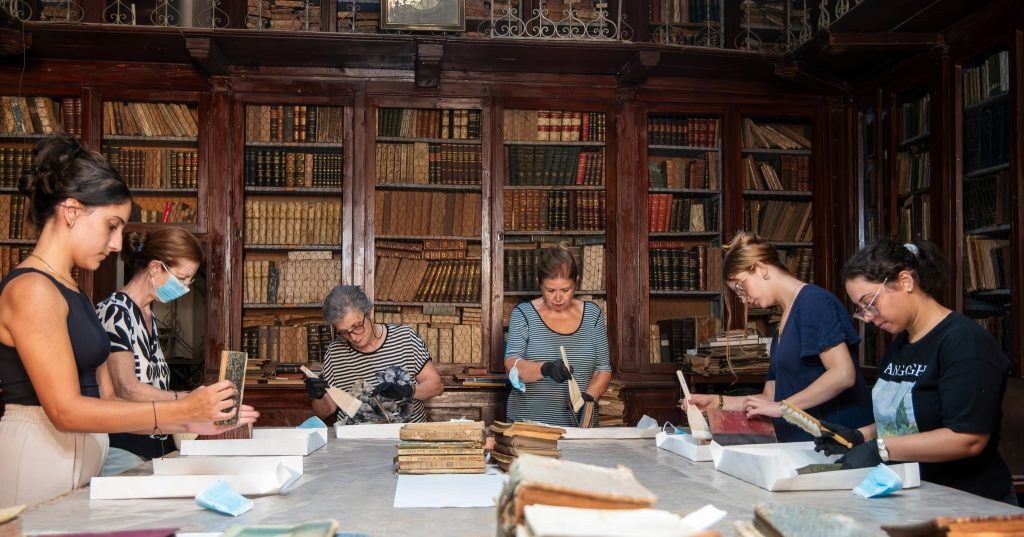
A group of NAF volunteers superficially cleaning the books.
Corporate Volunteers: Bringing People Together through Heritage
The project has also benefited from the involvement of corporate volunteers who have generously given their time to support the preservation work. As part of the HSBC Employee Volunteering Programme, HSBC employees joined the team at the Carmelite Library to contribute to the ongoing preservation. Volunteers from Computime also supported the project through the company’s CSR initiatives.
Their participation demonstrates how heritage preservation can bring together people from different backgrounds and sectors. Through these corporate volunteering initiatives, employees were able to contribute their time and effort to a meaningful cultural heritage project while gaining a closer appreciation of the historical treasures preserved within the library. The involvement of volunteers, whether individuals or corporate teams, adds an important human dimension to the project. Every helping hand contributes to the wider goal of protecting this collection and ensuring that it can be enjoyed and studied by generations to come.
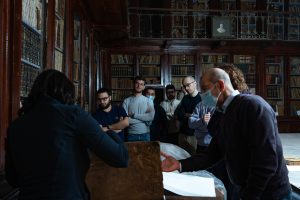
Volunteers from the HSBC Foundation and Computime assisting with the project through their respective CSR initiatives.
How are the Books and Manuscripts being Preserved?
Preserving a historical library is a careful and methodical process. Each stage is important, from removing the books from the shelves to cleaning, documenting and eventually returning them to their correct locations.
1. Removing the Books from the Shelves
Before any cleaning can begin, the books are carefully removed from the shelves. Because of the fragile condition of the collection, this work is carried out by professional conservators, with the support of the archivist on site. As each book is removed, its original location is recorded, including the relevant section and shelf number. This process, known as provenance recording, is crucial for maintaining the original organisation of the library and facilitating the cataloguing process at a later stage.
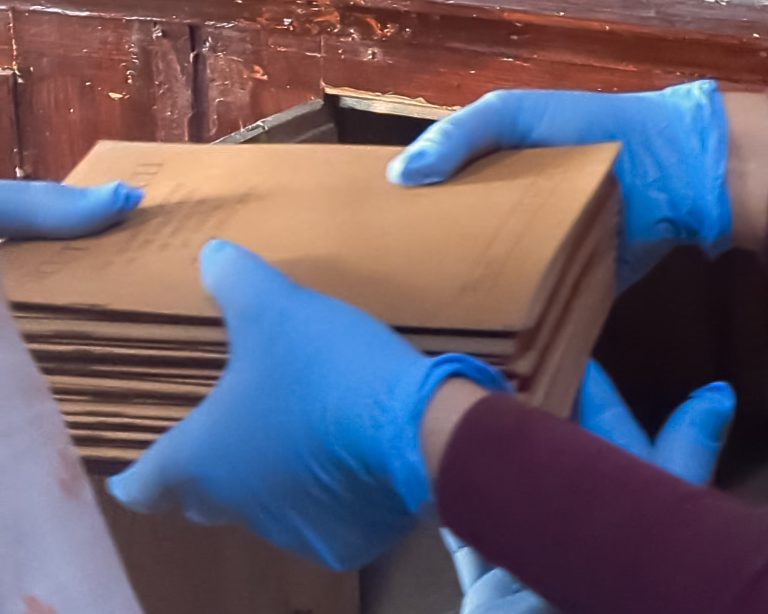
Volunteers emptying shelves from the books and manuscripts.
2. Cleaning the Books and Manuscripts
Once removed from the shelves, the books undergo surface cleaning, carried out by the volunteers. The accumulated dust is gently removed using a fine goat-hair brush, The dust is brushed away from the book using light movements and without applying pressure.
Although this may appear to be a simple task, it is an important part of preparing the material for safe storage and further processing. Once cleaned, the books can be safely placed into protective boxes.
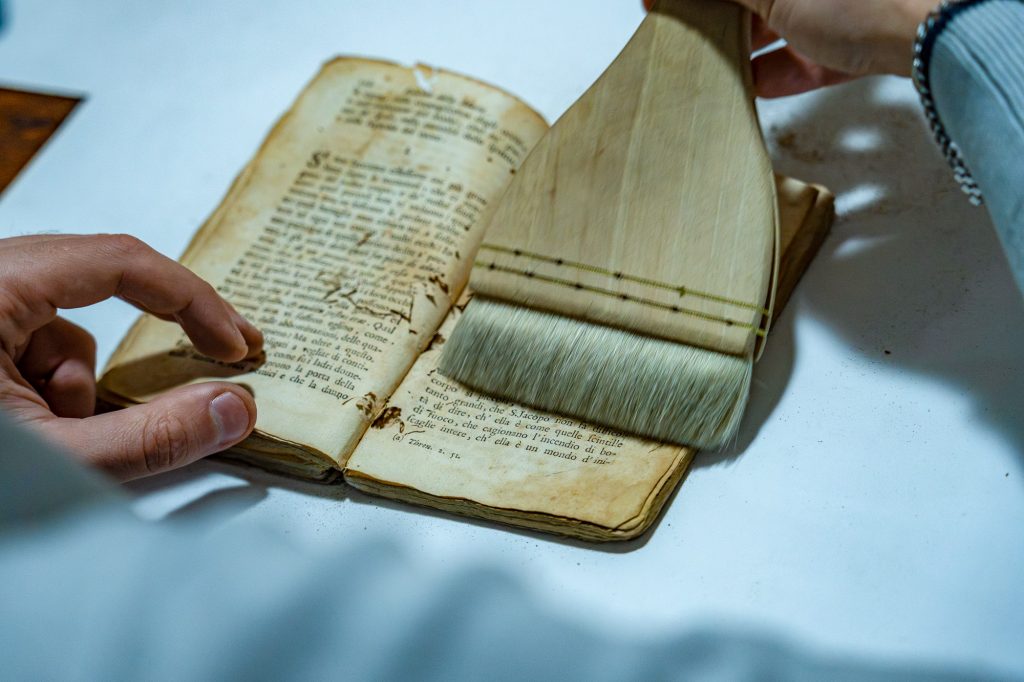
Volunteer superficially cleaning a book with a brush.
3. Cataloguing the Collection
Cataloguing is a fundamental part of the project because it ensures that every item can be accurately identified and located.
The library is organised into sections identified by letters—A, B, C and so on—with each shelf within a section assigned a number.
Each book is carefully examined and important information is recorded, including its title, author, publication date, language, physical condition and any distinctive characteristics.
This information is compiled into an inventory, creating a systematic record of the collection. The process also ensures that material can be efficiently organised and eventually returned to its original location.

Cataloguing sheets used to create an inventory of the collection, each systematically identifiable.
Progress from 2022 Onwards
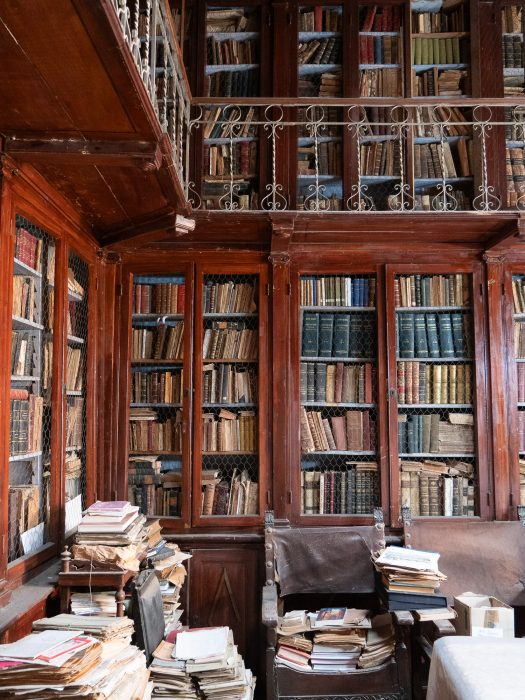
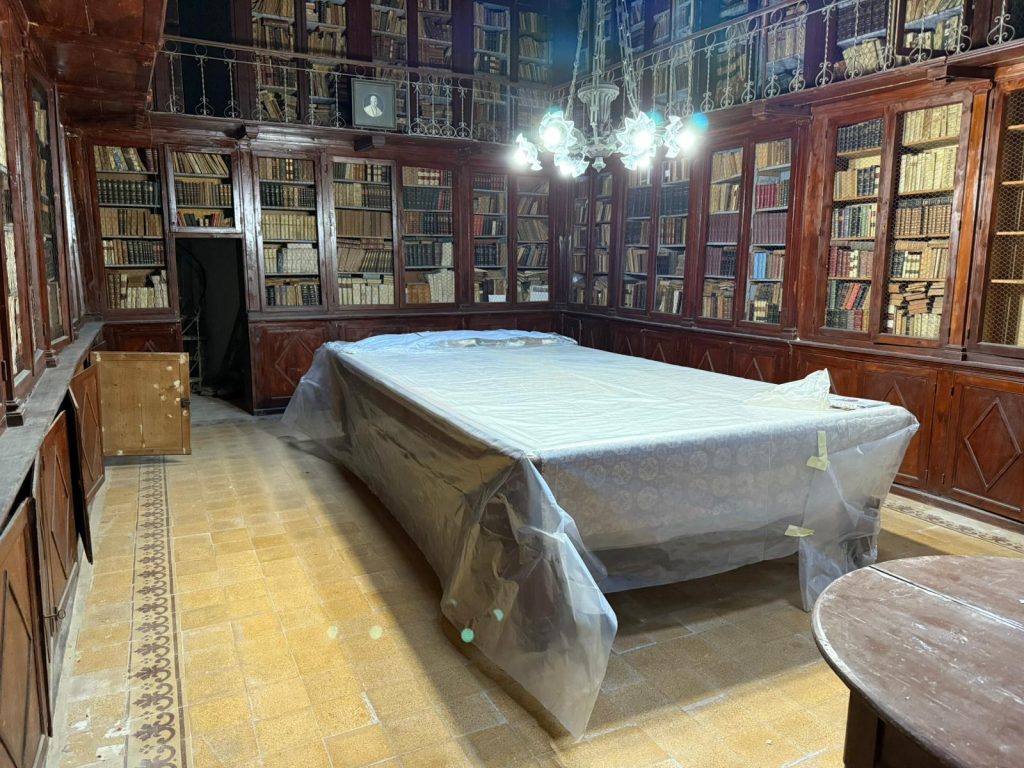
Before and after, showing the removal of books from the furniture and the clearing of the lower cupboards.
Since the project began in 2022, significant progress has been made, with a substantial number of historical books and documents organised and processed. During the initial phase, work focused on the library, which contains approximately 110 shelves. Of these, 42 shelves had already been cleaned and processed during this stage.
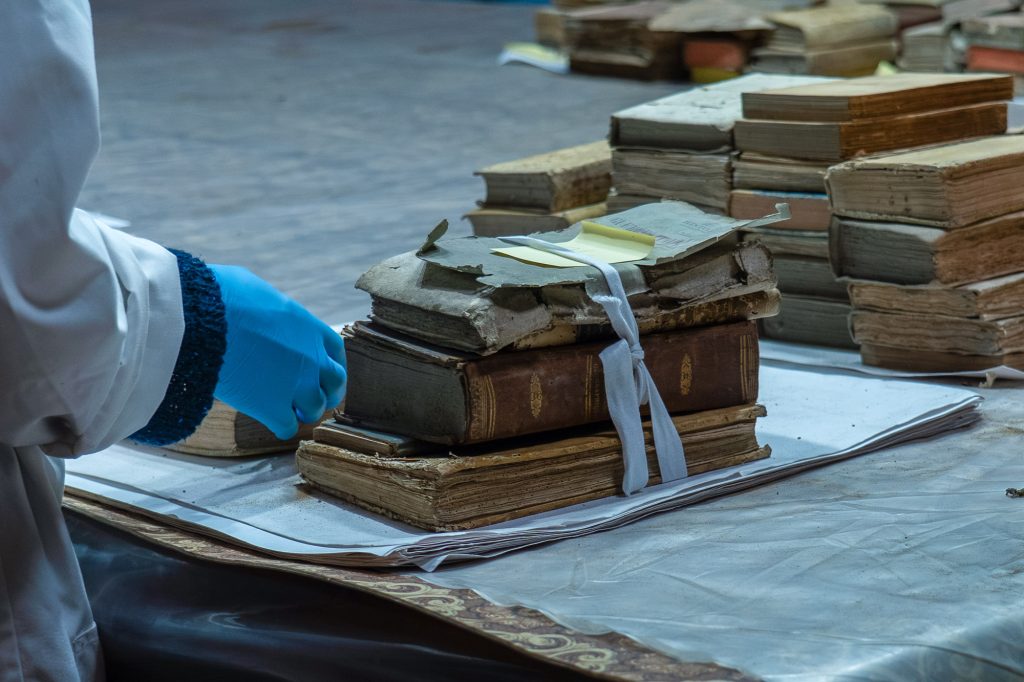
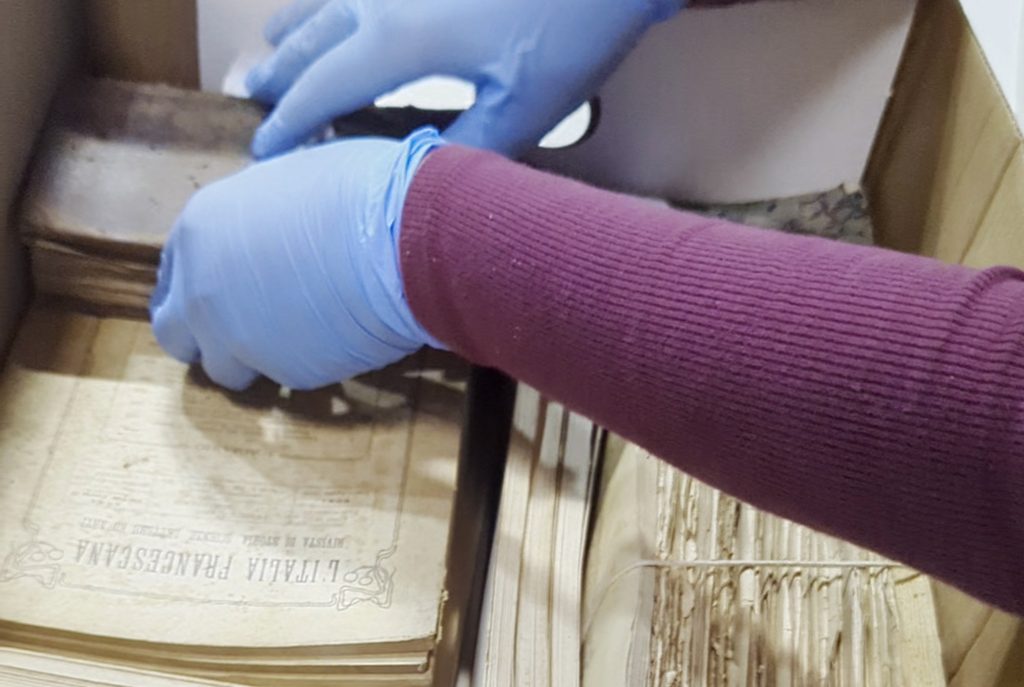
Books and manuscripts being organised by size and weight and placed in storage boxes following cleaning and cataloguing.
Another important development was the introduction of the Unshelved Process, designed to organise material that had been found outside the main shelving system.
Specific categories were established:
- UMS – Unshelved Manuscripts/Documents
- OBU – Old Books Unshelved
- MBU – Modern/Contemporary Books Unshelved
These categories helped introduce greater order to the library and provided a clearer system for dealing with material that had previously remained outside the main organisational structure.
The transformation became particularly visible as a considerable amount of material was removed from its previous locations and systematically processed.
A Visit from the Alfred Mizzi Foundation in 2024
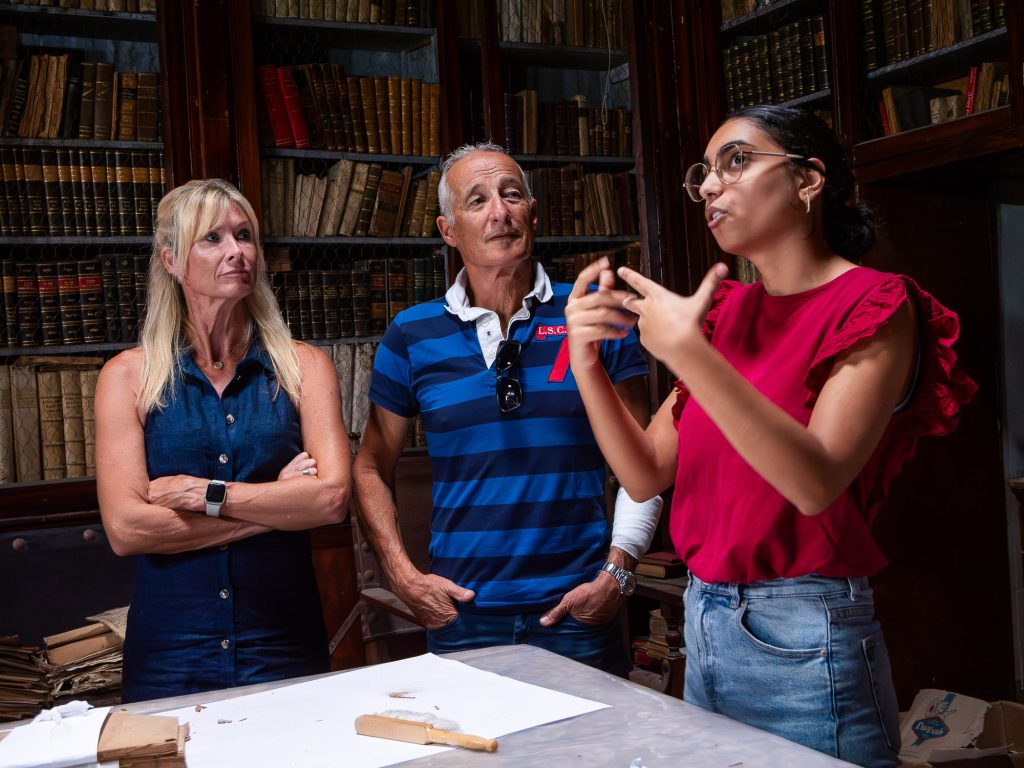
Marsha Iaci (right) explaining the progress of the project to Peter Wirth and Jane Mizzi, administrators of The Alfred Mizzi Foundation.
An important milestone in the project came in 2024, when representatives of the Alfred Mizzi Foundation visited the Carmelite Library in Valletta.
The visit provided an opportunity to view the preservation work first-hand and to see the condition of the library, its furniture and its historical collections. It also highlights the importance of the Foundation’s support in helping to safeguard this valuable heritage.
During the visit, the progress achieved since the project began in 2022 was presented, including the cleaning, packing and cataloguing of books and documents, as well as the organisation of material that had previously been found outside the main shelving system.
The visit also strengthened the collaboration between the Alfred Mizzi Foundation, the Notarial Archives Foundation, the Carmelite community, conservators, archivists and volunteers. This cooperation remains essential to the continued preservation of the collection and to ensuring that the project can move forward in a structured and sustainable way.
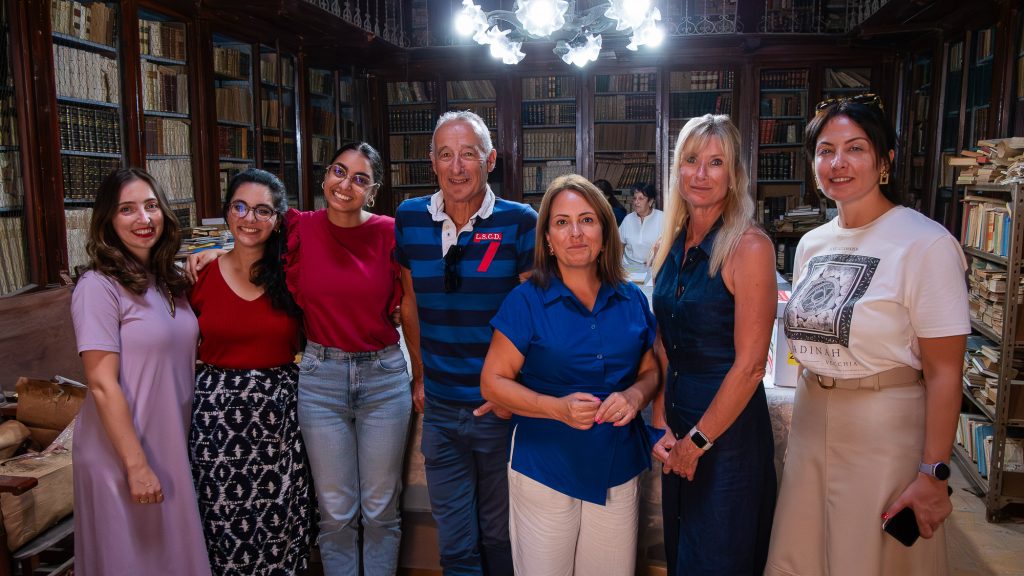
From left to right: NAF Assistant Director Vanessa Buhagiar, Preventive Conservator Maria Chiara Borg, Digital Archiving Technician Marsha Iaci, and The Alfred Mizzi Foundation administrators Peter Wirth, Lisa Villette, Jane Mizzi and Rebecca Micallef.
Moving Forward
By 2025, the Carmelite project has entered a more advanced phase, with the work expanding into new areas of the library. One important development was the introduction of a new classification system for material found inside cupboards within the library. Much of this material had not formed part of the original shelving system and had been kept separately, often without clear identification or with only limited organisation.
To integrate this material into the cataloguing and conservation process, each cupboard was assigned a specific code such as CPD 1, CPD 2, and so on. This created a new layer of order within the collection and made it possible to trace and document the material more efficiently. It also demonstrates how systematic, collaborative work can produce tangible results in the preservation of cultural heritage.
More than Books: a Collection Full of Stories
The Carmelite Library holds cultural and historical value far beyond the books and manuscripts themselves.
Its diverse collection includes manuscripts, rare books, administrative documents, newspapers, photographs and other unique items. Together, these materials demonstrate the role the library has played as a centre of knowledge and history over centuries.
Among the more intriguing discoveries are playing cards attached to the spine of a book, where they had been reused as structural support within its binding.
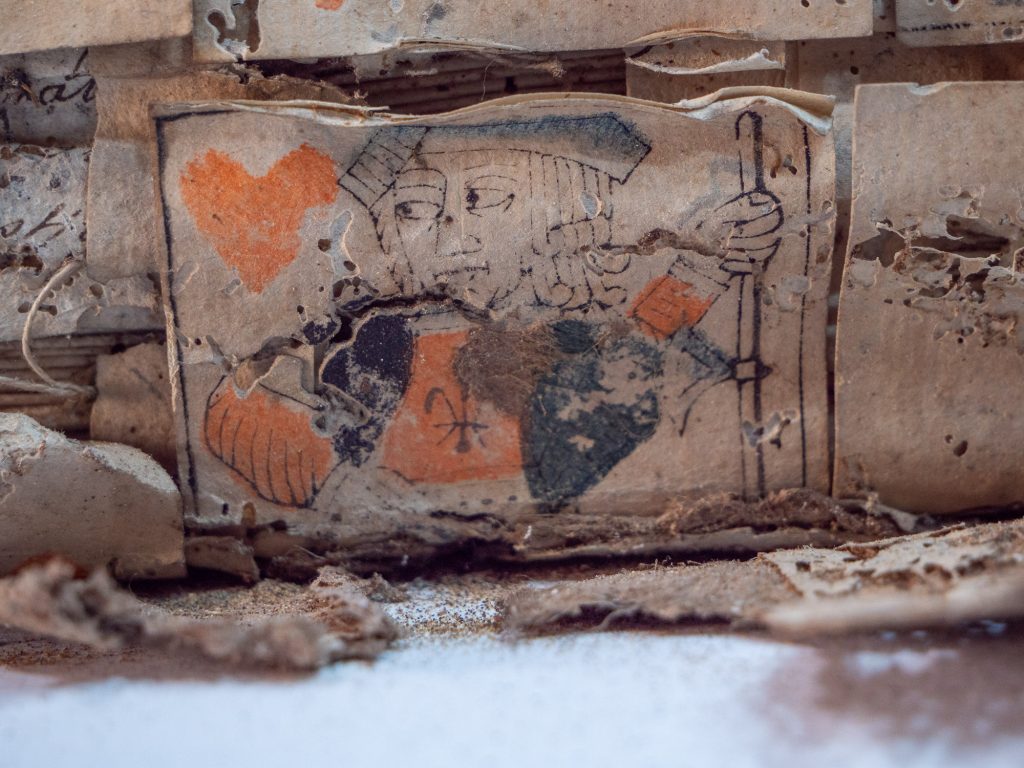
A close-up of a playing card from the suit of hearts, found reused to reinforce the spine and binding of a book.
The material probably dates to the seventeenth or eighteenth century and provides an interesting insight into historical practices of reusing materials in book production. The discovery is particularly significant because it represents a rare example of non-religious material within the Carmelite Library collection.
These playing cards are valuable not only because of their connection to the history of the book, but also because they offer a glimpse into the material culture and everyday life of the period. An ordinary object could be given a completely new purpose, becoming part of the structure of a book that would survive for centuries.
Preserving the Past for the Future
The preservation of the Carmelite Library and Archives in Valletta is a reminder that cultural heritage is not simply something inherited from previous generations. It is something that requires care, commitment and continued work.
The collaboration between conservators, archivists and volunteers, the Carmelite Community, the Notarial Archive Foundation and the Alfred Mizzi Foundation has given the historical collection a new lease of life, helping ensure that it remains available for study, research and appreciation by future generations.
The project is therefore about much more than cleaning books or organising shelves. It is about protecting the evidence of centuries of religious, cultural and intellectual life,
Through this ongoing work, the Carmelite Library in Valletta is not only preserving its own historical memory. It is continuing to strengthen its role as an important witness to Malta’s cultural and religious history and ensuring that the stories contained within its shelves can continue to be discovered in the years to come.
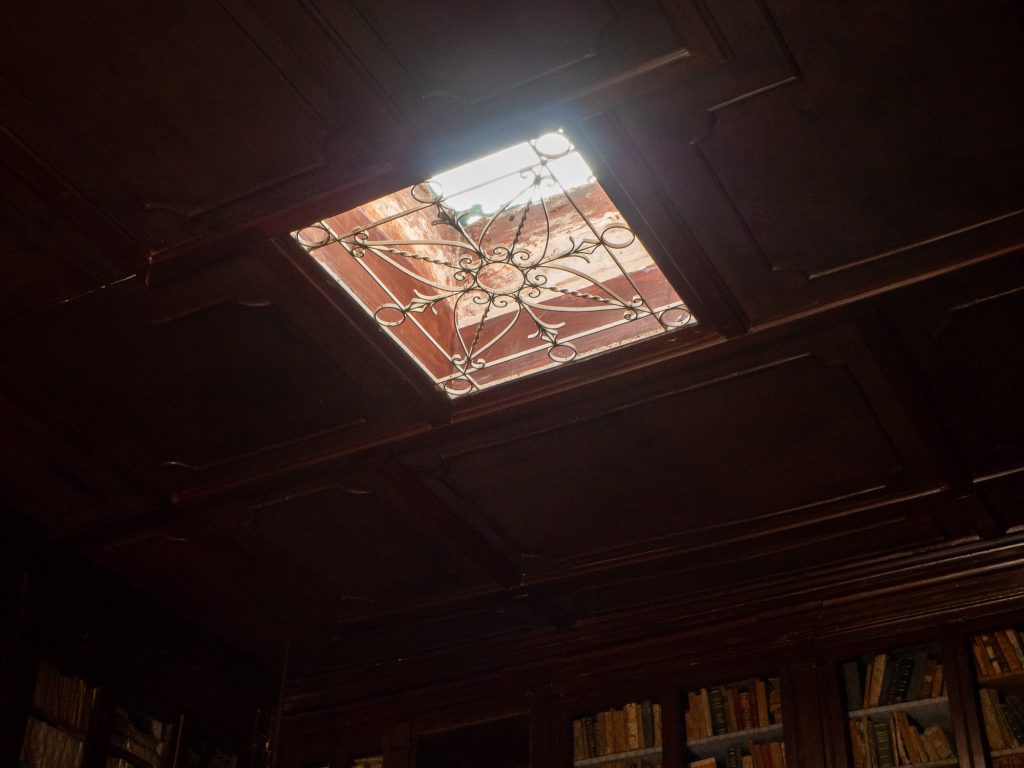
The library’s skylight, featuring decorative ironwork.
References
Abela, S. (2001). St. Elias College: L-iskola tal-Patrijiet Karmelitani. Malta.
Attard, G. (2022). How World War II affected Carmelite life all over the world [Malta]. In E. Hense & J. Chalmers (Eds.), Titus Brandsma: Writings from prison – Collected works (Vol. 3, pp. 75–80). Edizioni Carmelitane.
Fenech, E. (2015). Donna Margerita d’Aragona di Pellegrino u l-bidu tal-Karmelitani f’Malta. https://www.um.edu.mt/library/oar/handle/123456789/78740
Vella, A. A. (2010). The Old Carmelite Church, Valletta: History, architecture and works of art (1570–1958) (Bachelor’s dissertation). University of Malta.
Agius, J. (n.d.). L-isem tal-Kunvent Karmelitan. University of Malta Library – OAR. https://www.um.edu.mt/library/oar/bitstream/123456789/124962/1/L-Isem%20tal-Kunvent%20Karmelitan.pdf