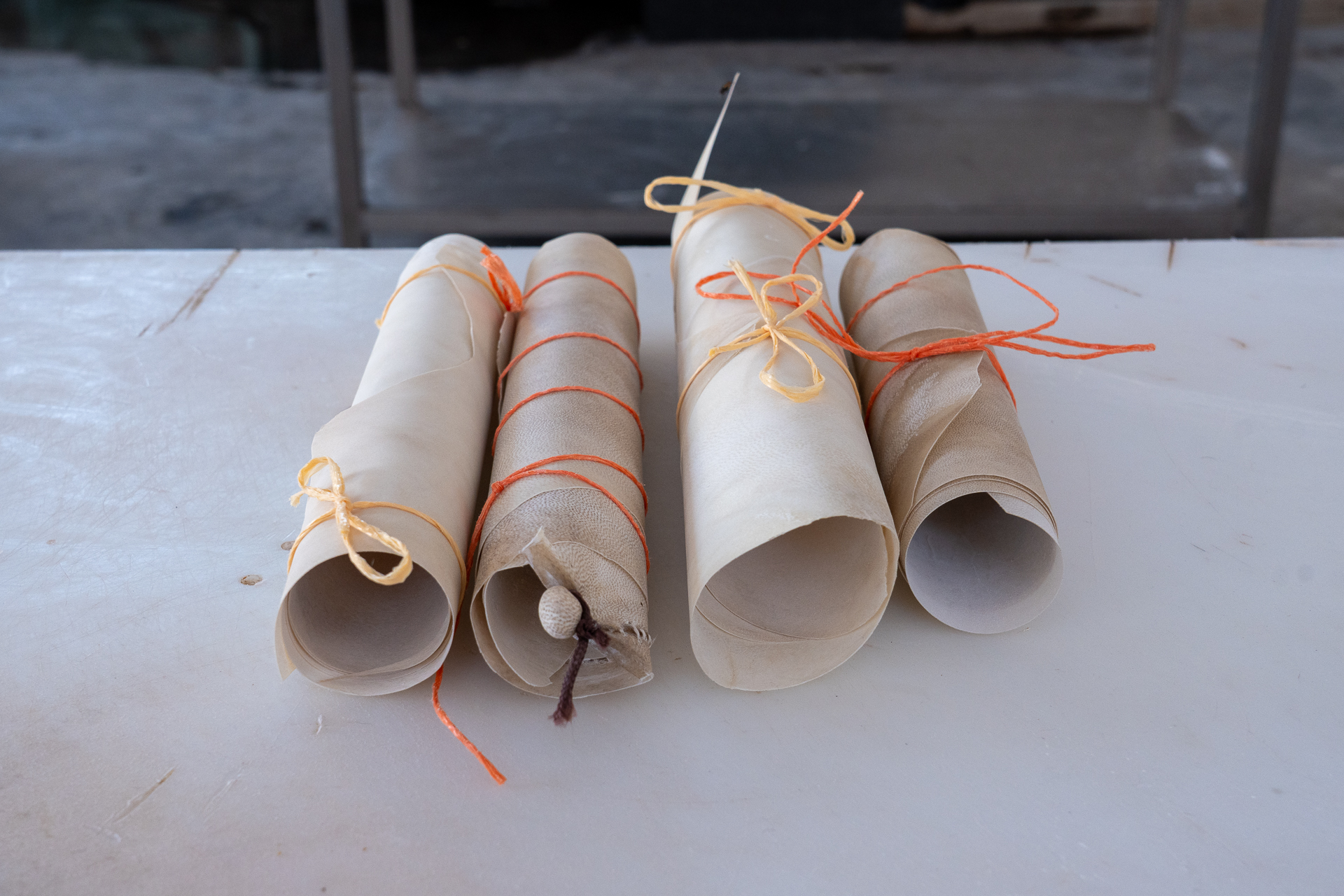
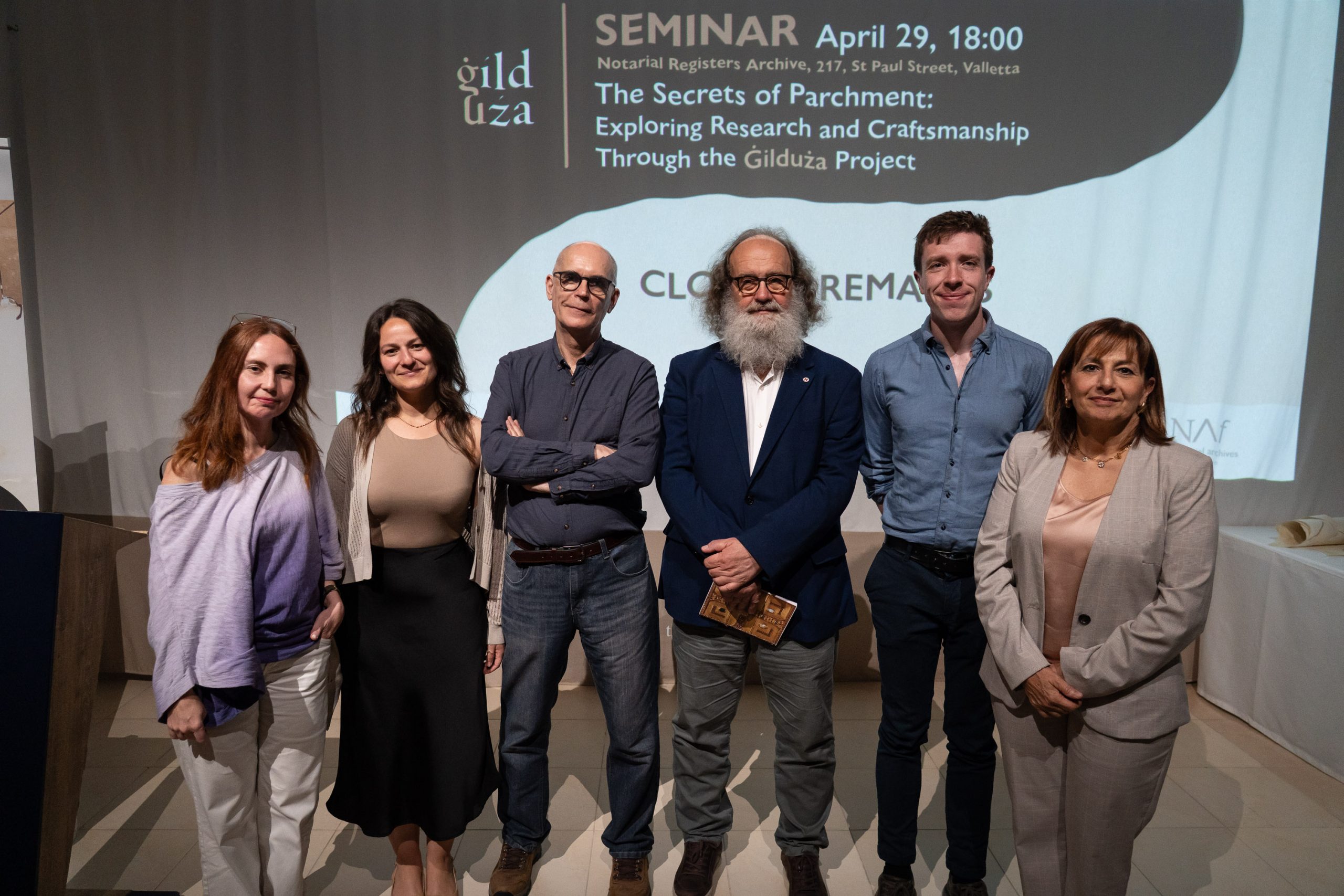
On 29 April, the Notarial Registers Archive hosted The Secrets of Parchment, a public seminar that explored parchment as a biological, material, and historical archive. The seminar formed part of the wider Ġilduża Project, an initiative working towards the revival of parchment-making in Malta through collaboration between artisans, conservators, historians, scientists, and farmers. Co-funded by the European Union under the European Agricultural Fund for Rural Development (EAFRD), the project is a partnership between the Notarial Archives Foundation, the Malta Public Abattoir, and Dr Jiří Vnouček.
Bringing together specialists from Malta and abroad, the seminar examined parchment from multiple perspectives, ranging from traditional craftsmanship and conservation practice to scientific analysis and historical research. Through a series of presentations and discussions, participants explored how parchment can be understood not only as a writing support, but also as a source of information about animal husbandry, manufacturing processes, patterns of use, and the broader societies that produced and preserved it.
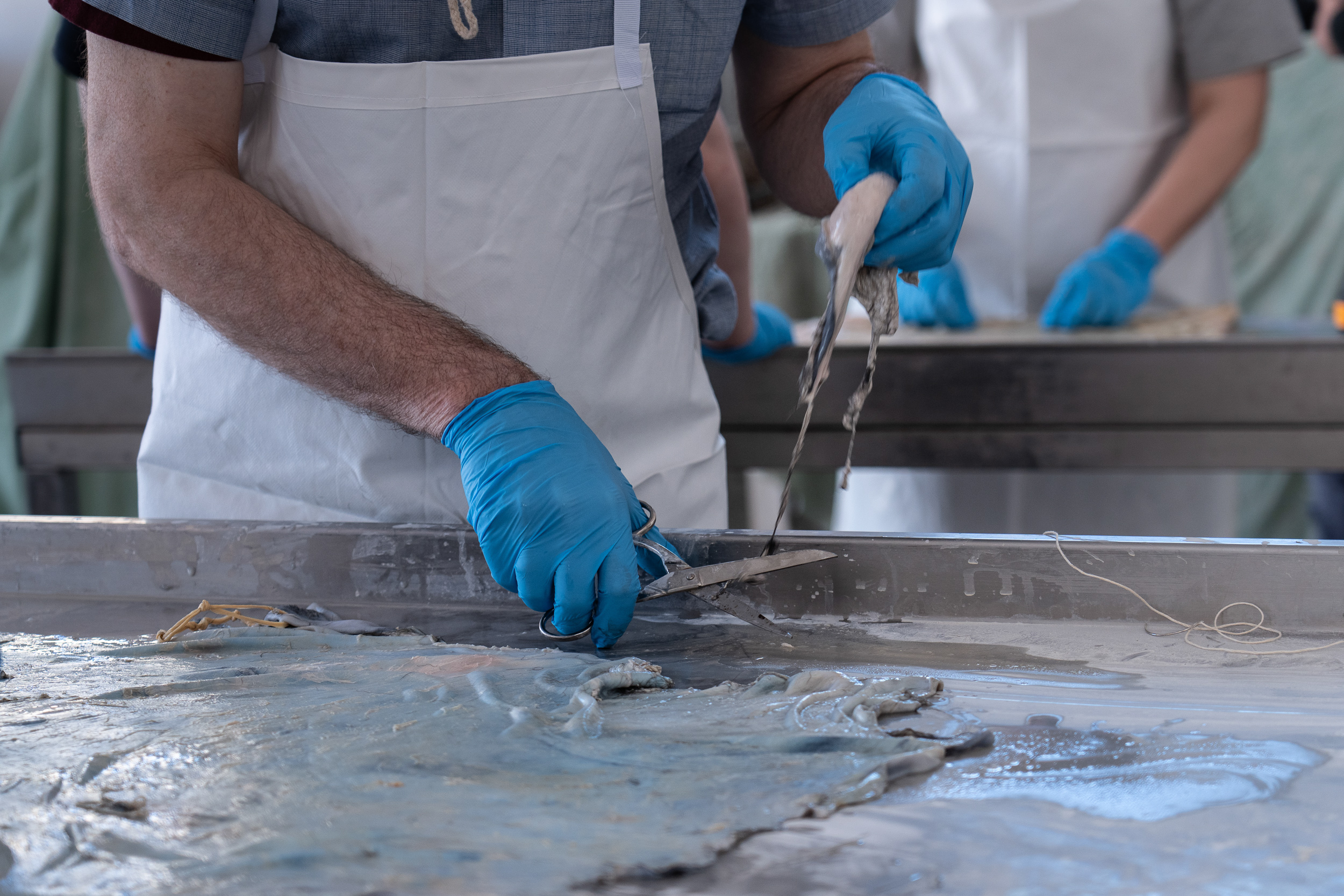
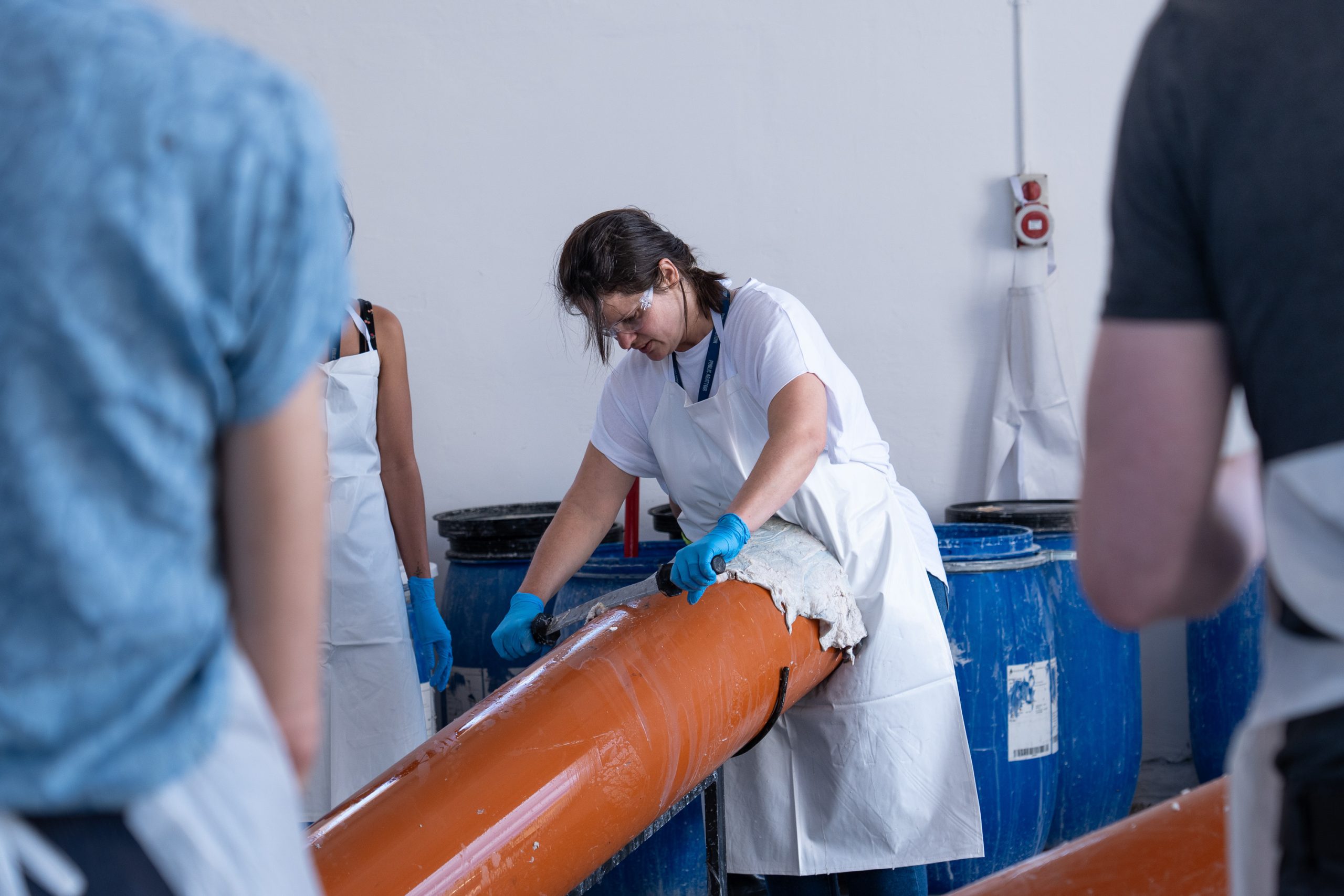
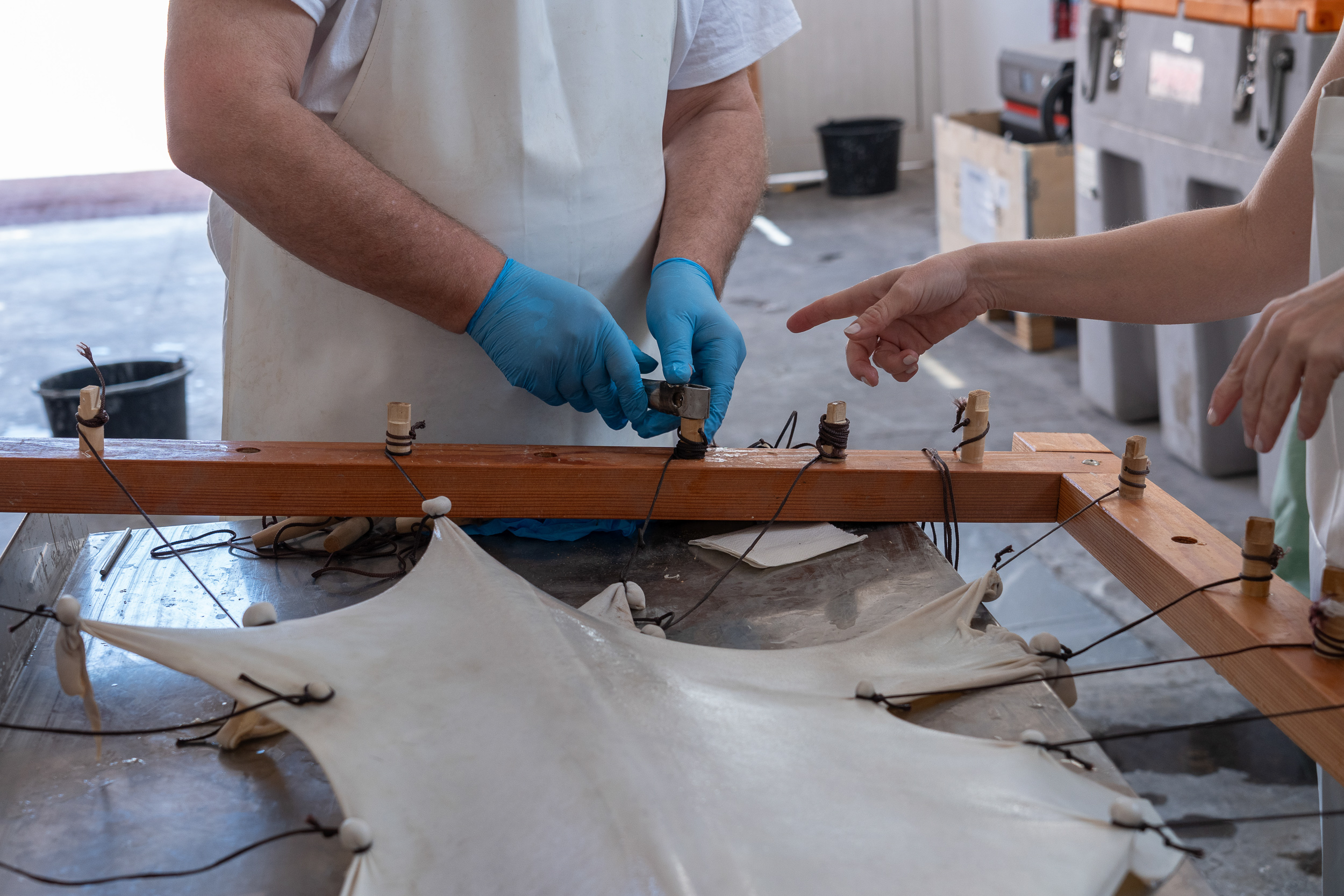
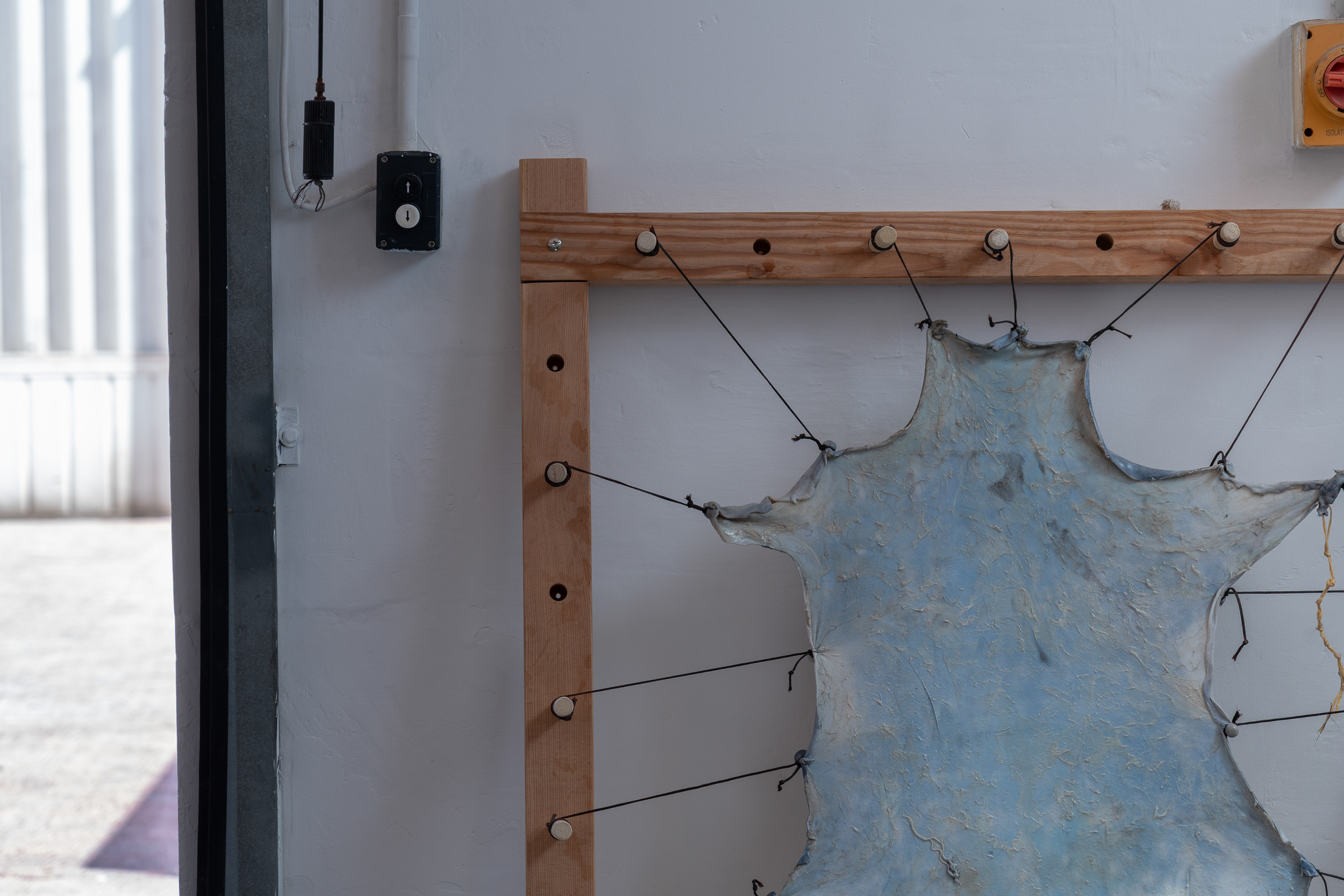
The event followed a four-day international parchment-making workshop held at the Malta Public Abattoir under the guidance of Dr Jiří Vnouček. Workshop participants received hands-on training in traditional parchment-making techniques, including the preparation and cleaning of animal skins, dehairing, stretching, drying, and surface finishing. Together, the workshop and seminar highlighted the value of combining practical knowledge with academic research and conservation expertise.
For institutions such as the Notarial Archives Foundation, parchment represents more than a historic material. Many of the documents preserved within the collections of the Notarial Registers Archive are written on parchment or incorporate parchment elements, making a deeper understanding of the material directly relevant to its long-term preservation and conservation.
The seminar provided an opportunity for researchers, conservators, heritage professionals, students, and members of the public to engage with current research and ongoing efforts to revive a craft that once formed an important part of Malta’s material culture. Through the Ġilduża Project, traditional skills, scientific inquiry, and heritage conservation continue to come together in support of a more sustainable and informed approach to the preservation of cultural heritage.
Full past programme on our event page.
The project aims to hold similar events in the future, and continue involving craftsmen, academics, conservators and the public in the revival of this craft.